

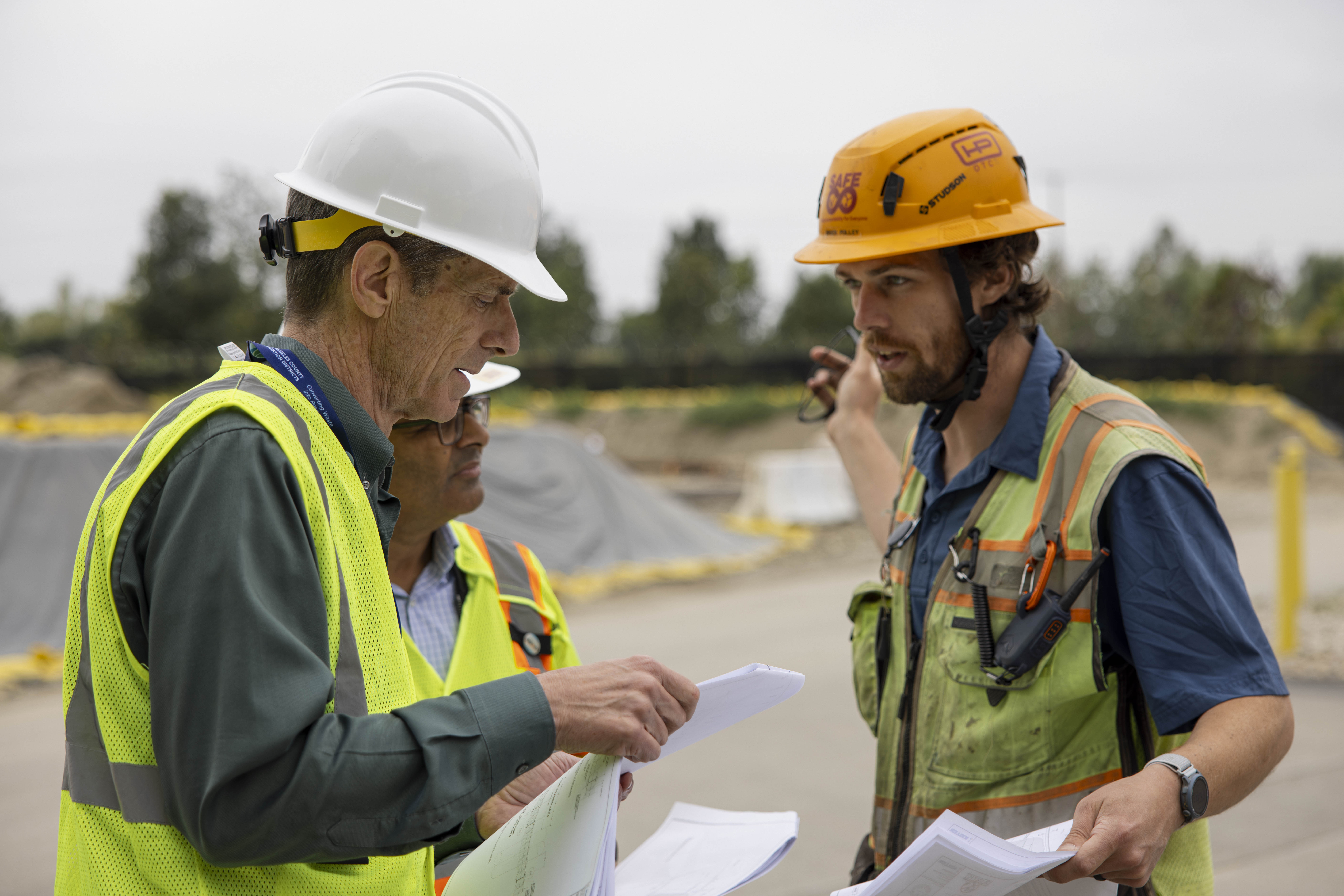
For more than 60 years, the Whittier Narrows Water Reclamation Plant (WNWRP) has been part of the backbone of water sustainability in Southern California. Opened in 1962 as the nation’s first large-scale water reclamation facility, the plant has long stood as a model for the beneficial reuse of treated wastewater. Today, Hensel Phelps is delivering a major modernization of the owner’s influent and treatment support infrastructure.
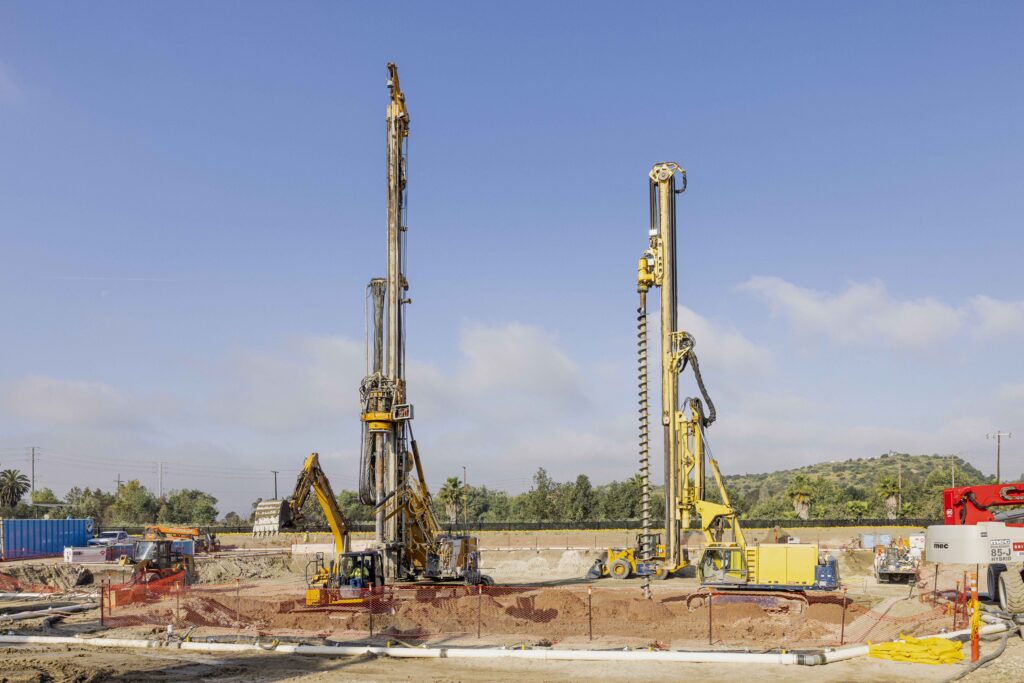
The $48.5 million Whittier Narrows Water Reclamation Plant Influent Pump Station Replacement project represents an important investment in municipal water infrastructure upgrades across the San Gabriel Valley. As part of the modernization effort, Hensel Phelps is replacing aging infrastructure with new influent pumping facilities, electrical and control systems, buried utilities, seismic improvements and enhanced site access. The project also showcases innovative Cement Deep Soil Mixing shoring (CDSM) techniques that protect groundwater resources and adjacent active infrastructure during construction.
Beyond the technical scope, the project reflects the collaborative approach Hensel Phelps brings to complex water and wastewater projects. By combining innovative construction solutions with proactive owner engagement, the team is helping modernize one of California’s most historically significant water reclamation facilities while supporting the region’s long-term water reliability goals.
Modernizing a Historic Water Reclamation Facility
Delivered under a design-bid-build contract awarded in May 2025, the water reclamation facility modernization project is scheduled for completion in September 2027. Located in South El Monte, California, the project will replace and upgrade critical infrastructure, including a new influent pump station, wet wells and dry wells, electrical and control facilities, hydraulic and process improvements, buried utility infrastructure, seismic upgrades and a new pedestrian bridge for improved site circulation and safety.
The plant currently treats up to 15 million gallons per day (GPD). It produces approximately nine million GPD of recycled water for groundwater recharge and non-potable reuse across roughly 36 sites, serving an estimated 150,000 residents in the San Gabriel Valley. The work underway will help ensure that this historically significant facility continues to operate reliably for decades to come.
Collaborative Construction Management
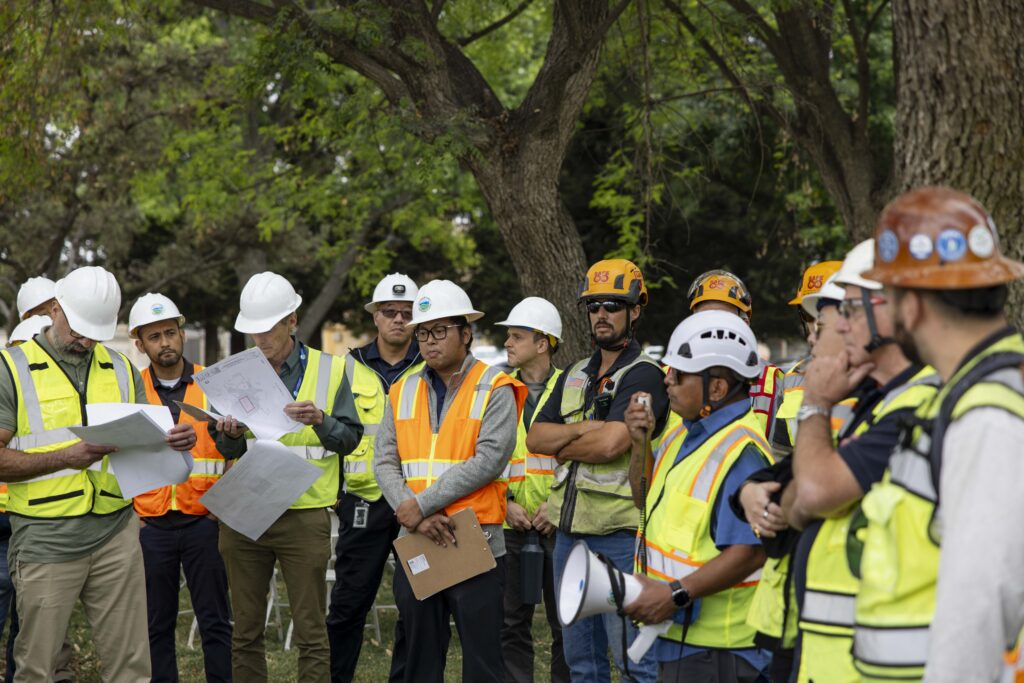
On May 12, 2026, the Hensel Phelps project team welcomed 40 members from the owner’s engineering and construction staff to the jobsite for a collaborative site visit and project update, an event that speaks directly to how Hensel Phelps approaches owner partnerships on complex, active infrastructure.
Rather than a standard progress report, the visit gave the owner a firsthand look at the construction of the new influent pump station, wet wells and surrounding underground utility infrastructure. The Hensel Phelps project team walked owner personnel through key work areas, discussed upcoming milestones, reviewed construction sequencing and answered questions about execution, safety and operational coordination within a fully active treatment facility.
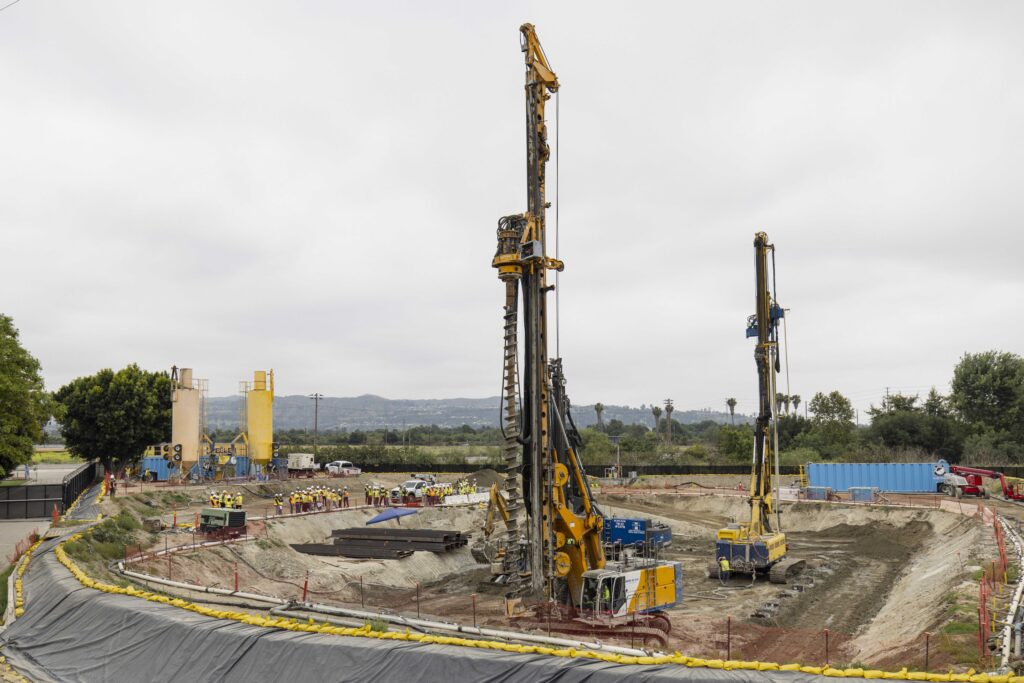
The visit also gave the team a chance to see an innovative solution, CDSM shoring. Hensel Phelps used the site walk to share its CDSM track record directly with the owner and work through their questions in real time, rather than leaving that conversation to formal submittals alone.
The combination of technical transparency and genuine relationship-building continues to build trust with the owner and keeps the stakeholders aligned on goals, expectations and long-term outcomes for the project.
Delivering Municipal Water Infrastructure Upgrades at an Active Facility
Modernizing Whittier Narrows comes with a defined set of challenges that shape nearly every decision on the project. The team is constructing major new infrastructure within a fully operational treatment plant, requiring careful sequencing to integrate new systems without disrupting ongoing operations. Complex subsurface utility conflicts, coordination of major underground structures and pipelines and the need to maintain continuous treatment functionality throughout construction all demand close coordination between the field team and owner operations staff.
Among these challenges, groundwater stood out as one of the most significant. Protecting the plant’s active infrastructure while building two new wet wells and a partially buried pump station required a shoring approach that could control water without relying on extensive dewatering.
Using CDSM to Control Groundwater
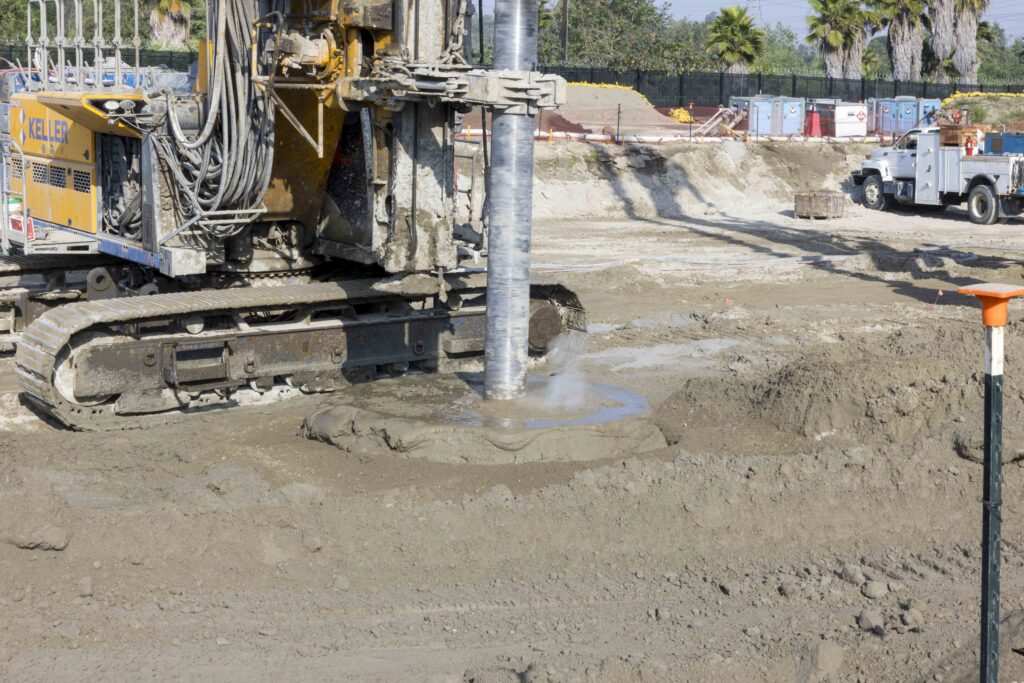
With groundwater sitting at approximately 196 feet and the bottom of the new structure reaching 178 feet, the team anticipated groundwater inflow that could easily exceed 1,000 gallons per minute if left unmanaged. Compounding the risk, critical infrastructure sits within 100 feet of the excavation, including the plant’s main concrete processing channel, its main effluent sewer line and the flow diversion gate.
A conventional beam-and-lagging shoring system would have required significant dewatering to keep the excavation dry and stable, introducing a real risk of ground settlement to adjacent operating facilities. Instead, the team selected CDSM, which creates a low-permeability soil-cement cutoff wall around the excavation. The approach significantly reduces or eliminates the need for large-scale dewatering, limits groundwater inflow and provides a more controlled excavation environment near sensitive, active infrastructure. An integrated bottom plug and tie-down anchor system further strengthens the design, providing uplift resistance and long-term structural stability under persistent groundwater pressure.
It is a solution chosen because it fits the site, not because it was the conventional default. It is precisely the kind of decision Hensel Phelps brings to every project: evaluating each excavation and shoring system to deliver the best outcome for that specific facility, then bringing the owner into that conversation early and often.
The Hensel Phelps Approach to Water Infrastructure Delivery
The owner site visit is one piece of a broader pattern at Whittier Narrows. From self-performing work to proactively walking the owner through the shoring method before questions become concerns, this project reflects how Hensel Phelps approaches water infrastructure work everywhere: by thinking through the best technical solution for each site and collaborating openly with owners to build trust.
Planning a water or wastewater infrastructure project? Connect with Hensel Phelps to learn how our teams help owners navigate complex construction challenges while maintaining operational continuity and project certainty.


