

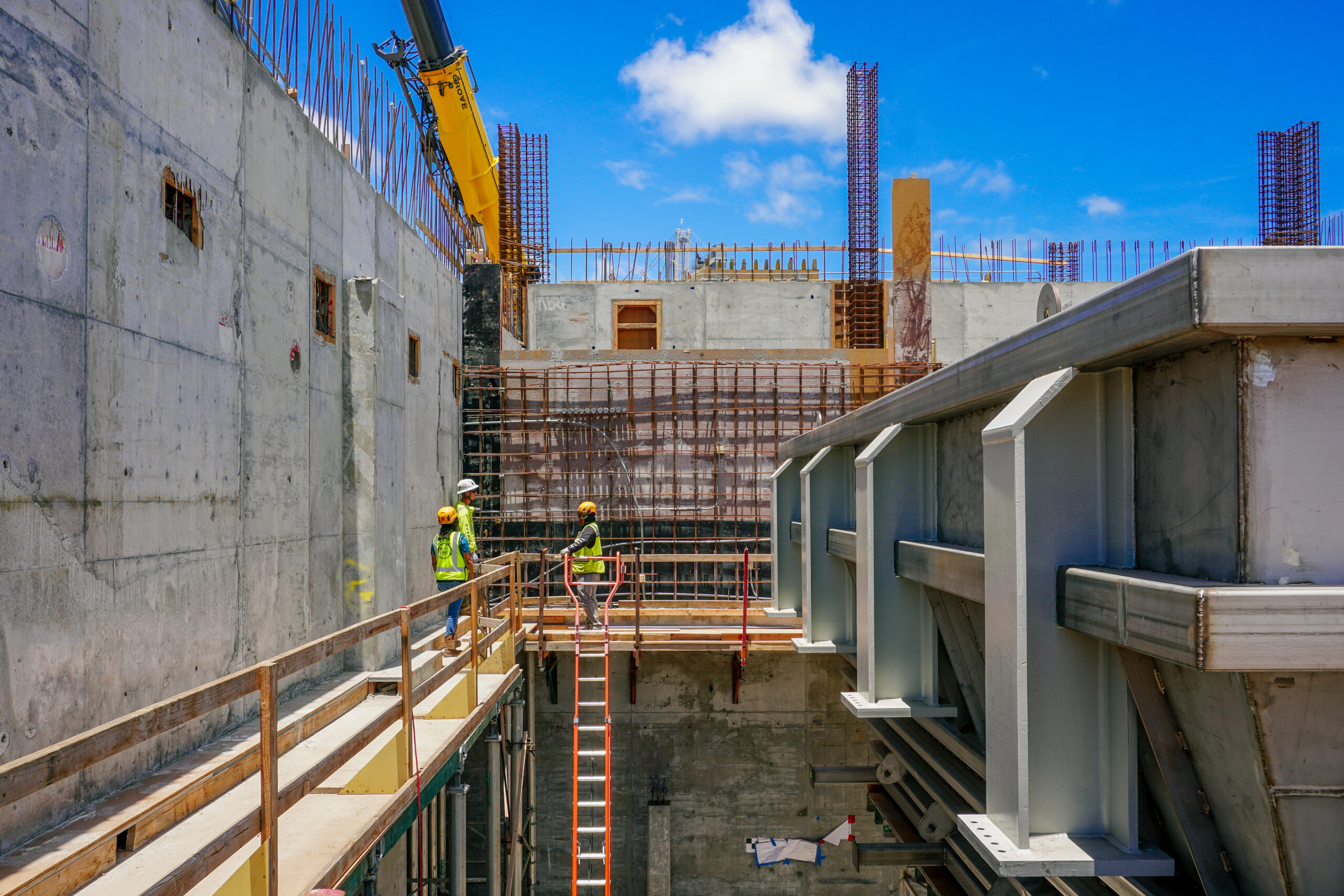
Water and wastewater infrastructure projects are becoming more complex, more urgent and more difficult to deliver using traditional approaches alone. Aging systems, operational constraints and unforeseen conditions, such as undocumented utilities or outdated as-builts, are no longer exceptions, but expectations on many projects. In response, owners are increasingly turning to alternative delivery methods like design-build, progressive design-build and construction manager at risk (CMAR) to improve coordination, manage risk and accelerate schedules.
But as these models gain traction, one thing is becoming clear: success is not determined by the delivery method itself, but by how well project teams align around shared goals, communication and long-term outcomes. Drawing from recent project experience and industry best practices, Hensel Phelps explores key lessons learned in making alternative delivery work and how teams can better position themselves for successful outcomes.
The Shift Toward Collaborative Delivery Methods
“Alternative delivery is gaining traction due to increasing price volatility, supply chain disruptions and long lead times, which drive up project costs over time. Owners are seeking faster delivery methods to lock in pricing and reduce uncertainty,” states Rick Crago, Hensel Phelps’ national water and wastewater lead.
By bringing contractors, designers, operators and key trade partners into the process earlier, before design is fully developed, alternative delivery creates opportunities for better coordination, improved constructability and more informed approaches to procurement, scheduling and budgeting. In many ways, alternative delivery is less about accelerating construction and more about improving decision-making throughout the life of the project.
Successful projects depend on open communication, early alignment and clear decision-making that keeps teams focused on shared project goals. “Communication is essential at all levels throughout the project from beginning to end,” says Hensel Phelps Project Executive Kelly Daken. “Everything goes on the table as quickly as possible and decisions are made collaboratively.” Establishing decision-makers, timelines and expectations early in the process also helps protect downstream design, procurement and construction schedules.
This approach is especially valuable in water and wastewater facilities, where sequencing, maintainability and operational continuity directly impact the communities these systems serve. “It’s important to understand the sequencing in operational plants to minimize disruptions to operations and of the water supply to the public,” states Hensel Phelps Operations Manager Stan Javernick.
Case Study: Synagro In-Vessel Bioconversion Facility Upgrades
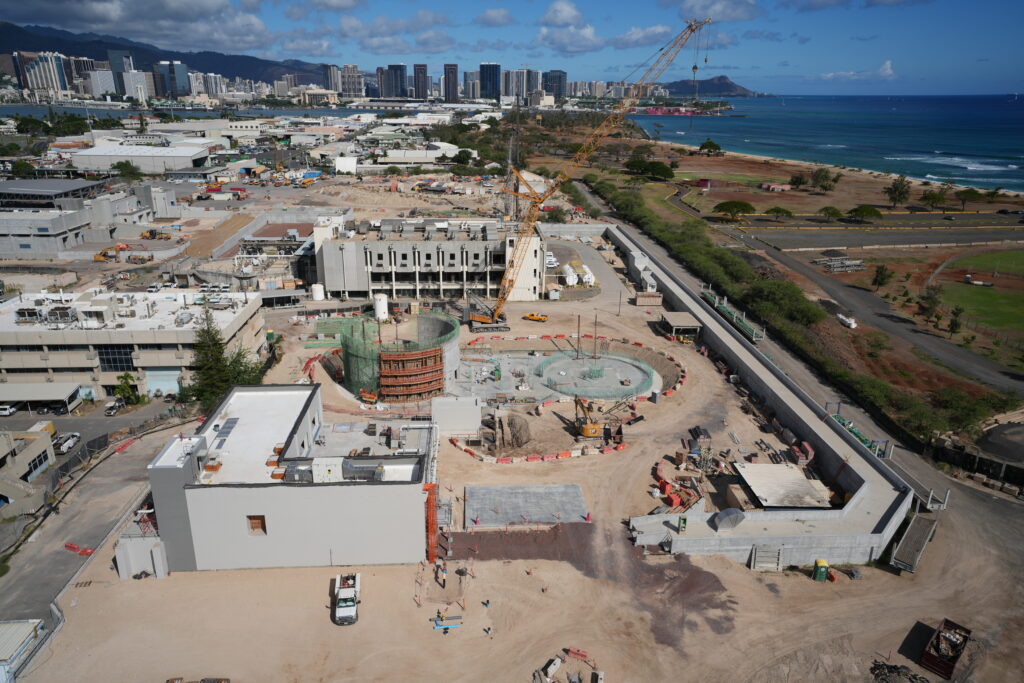
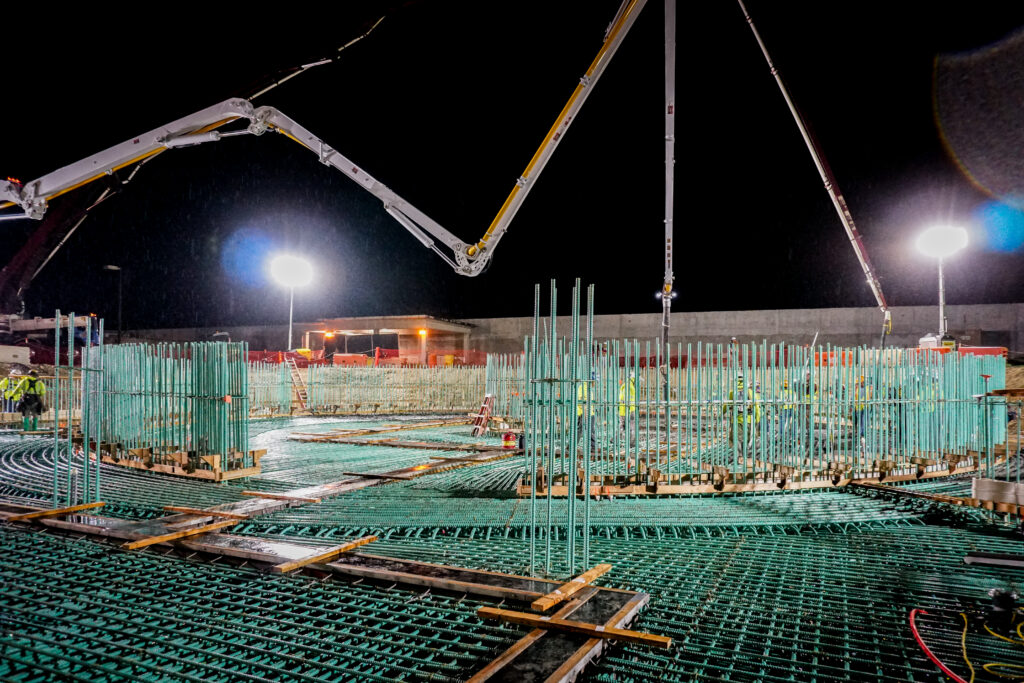
The Synagro In-Vessel Bioconversion Facility Upgrades project in Honolulu, Hawaii provides another example of how collaborative delivery can improve coordination and reduce risk on complex operational infrastructure projects. Delivered using a design-build approach, the project team identified a major existing 84-inch outfall pipe conflict during early planning that directly impacted the proposed facility footprint. Through early coordination between the owner, designer, contractor and specialty partners, the team was able to evaluate alternatives, refine sequencing plans and proactively address operational impacts before construction activities began. The use of LiDAR scanning and Virtual Design and Construction (VDC) tools also improved existing-condition verification, coordination and prefabrication planning, helping reduce rework, minimize outage risks and improve schedule certainty. The project reinforced how collaborative delivery methods, combined with digital coordination tools, can help teams proactively manage unforeseen conditions while maintaining operational continuity on highly constrained water and wastewater facilities.
Creating the Right Conditions for Successful CMAR and Design-Build Projects
One of the clearest lessons emerging from collaborative delivery projects is that successful outcomes depend on creating the right conditions from the very beginning. Procurement plays a critical role in shaping how teams work together throughout the life of the project.
Owners increasingly recognize that selecting the right partners requires more than evaluating price alone. Qualifications, operational understanding, technical approach and the ability to work collaboratively all influence long-term project success. “Procurement sets the tone for everything that follows,” says Hensel Phelps Business Development Manager Nate Mendelsohn. “It needs to be managed as a complete system.” Crago adds that projects procured primarily on low price can unintentionally limit innovation and ultimately impact project outcomes.
Successful teams also establish clear performance goals while allowing flexibility in how those goals are achieved. In highly technical and operationally sensitive environments like water and wastewater facilities, owners understandably have specific requirements around resiliency, maintenance, operational continuity and system integration. But overly prescriptive requirements can reduce opportunities for innovation and limit the expertise project teams bring to the table.
“The use of performance goals allows for innovation,” explains Daken, pointing to examples such as reduced power usage, minimized staffing hours and reduced facility footprint. As Mendelsohn notes, “Once the target is understood, innovation naturally follows from experts working together within a shared framework.”
In practice, these outcomes are supported through early coordination, integrated planning sessions and consistent engagement between owners, designers, builders and operations teams. Just as importantly, successful projects maintain continuity between procurement and execution, ensuring the same teams and decision-makers remain engaged from planning through commissioning. This continuity helps preserve trust, accountability and alignment as projects evolve.
Case Study: South Fort Collins Sanitation District Water Reclamation Facility Expansion
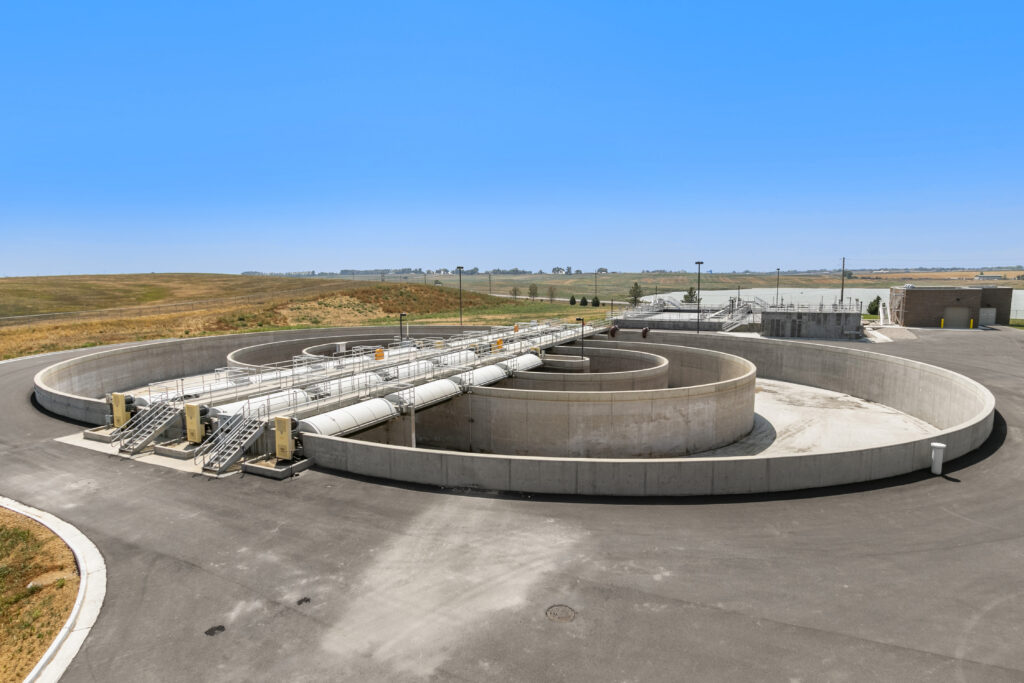
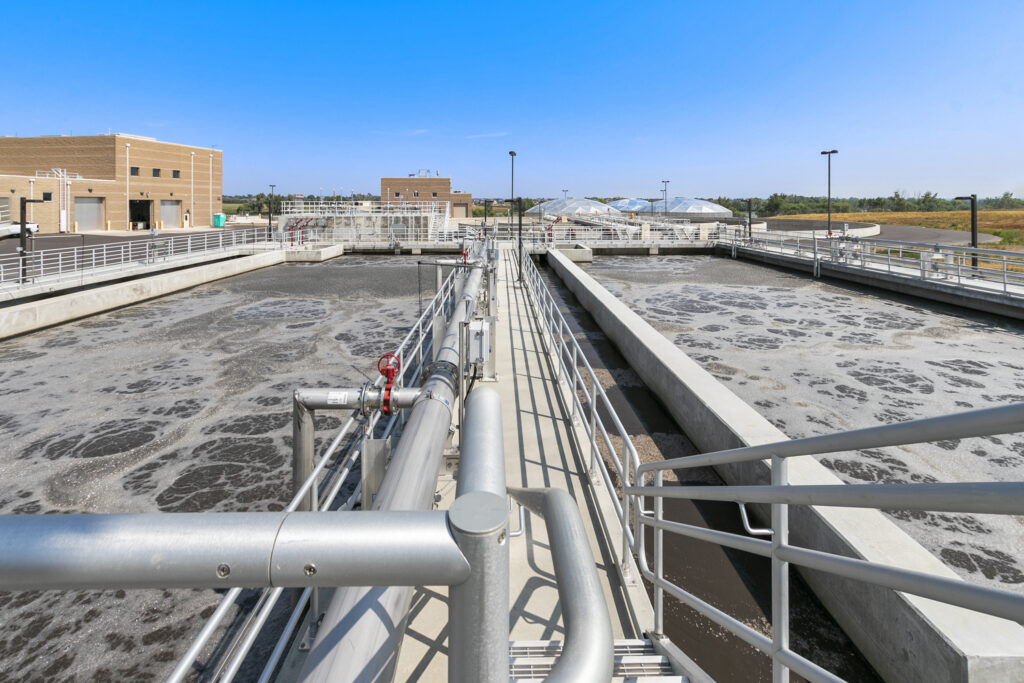
The South Fort Collins Sanitation District (SFCSD) Water Reclamation Facility Expansion project demonstrates how collaborative delivery can support complex operational infrastructure projects. Delivered using a CMAR approach with best-value procurement, the project expanded the facility’s treatment capacity from 4.5 MGD to 6 MGD while maintaining full plant operations throughout construction. Early partnering sessions, phased design reviews and integrated planning efforts allowed the team to address constructability, sequencing, long-lead procurement and operational continuity early in the process. Through open-book collaboration and phased value engineering efforts, the project team generated approximately $4 million in savings while keeping the Guaranteed Maximum Price (GMP) below the owner’s original budget. The project also incorporated future expansion planning and operational improvements designed to support long-term facility performance, reinforcing how collaborative delivery can help owners balance immediate project needs with long-term operational goals.
Why Lifecycle Performance Matters in Water Infrastructure
This collaborative approach is also reshaping how owners define project success. As infrastructure systems age and experienced operations staff retire, owners are placing increasing emphasis on long-term operations, maintainability and asset performance.
Collaborative delivery allows teams to evaluate decisions through a lifecycle lens rather than focusing solely on initial construction cost. Equipment selection, sequencing, resiliency, power consumption, staffing requirements and maintainability can all be discussed earlier in design, when adjustments are more impactful and less costly to implement.
Mendelsohn notes that projects increasingly emphasize “durability, maintainability and lifecycle performance” to support more specialized systems over time. Javernick adds that many owners now recognize “they may need to pay more up front in order to receive a higher quality of construction and thereby ensure the plants last longer, run more efficiently and are resilient over the long run.”
This long-term perspective is especially important in water and wastewater facilities, where systems must remain reliable for decades while continuing to serve growing communities. According to Daken, “Operations has to live with the final product for 50 years plus most of the time.”
For project teams, this means delivery success is no longer measured solely by schedule and budget performance. Increasingly, success is defined by how well facilities perform years after turnover and how effectively teams help owners balance immediate project needs with long-term operational goals.
The Future of Water and Wastewater Construction Delivery
As water infrastructure demands evolve, collaborative delivery methods will likely remain an important tool for owners seeking greater flexibility, faster delivery and improved coordination. But the most important lesson emerging from these projects is that delivery methods alone do not guarantee success.
Successful projects are built on early alignment, open communication, informed decision-making and a shared commitment to long-term outcomes. They require teams willing to engage transparently, involve operations stakeholders early and remain adaptable as project conditions evolve.
As Mendelsohn summarizes, “The right people matter. Teams that understand the tools, limitations and expectations of alternative delivery are far better positioned to lead effective, predictable programs.”
Ultimately, the future of water and wastewater infrastructure delivery may depend less on which contract model is selected and more on how effectively teams come together to solve increasingly complex challenges. For more information about Hensel Phelps’ collaborative delivery experience in the water market, visit our water infrastructure page or connect with our team.


