

Water and wastewater infrastructure projects are becoming increasingly complex as municipalities face aging systems, evolving regulatory requirements, population growth and heightened pressure to deliver projects with greater cost and schedule certainty. As owners continue investing in critical utility infrastructure, many are reevaluating traditional procurement methods in favor of more collaborative delivery approaches that better support long-term project success.
Why Municipalities Are Reevaluating Traditional Project Delivery Methods
To help address these challenges, Hensel Phelps has recently begun using the Water Collaborative Delivery Association (WCDA) contract on select water and wastewater projects in Colorado, including the Kremmling Water Treatment Plant Improvements Project and the Town of Windsor’s Liquid Expansion Project. As an early adopter of the WCDA framework within Colorado’s water and wastewater market, Hensel Phelps has worked alongside municipal owners and design partners to implement collaborative delivery strategies that improve project outcomes, reduce delivery risk and support operational continuity throughout construction.
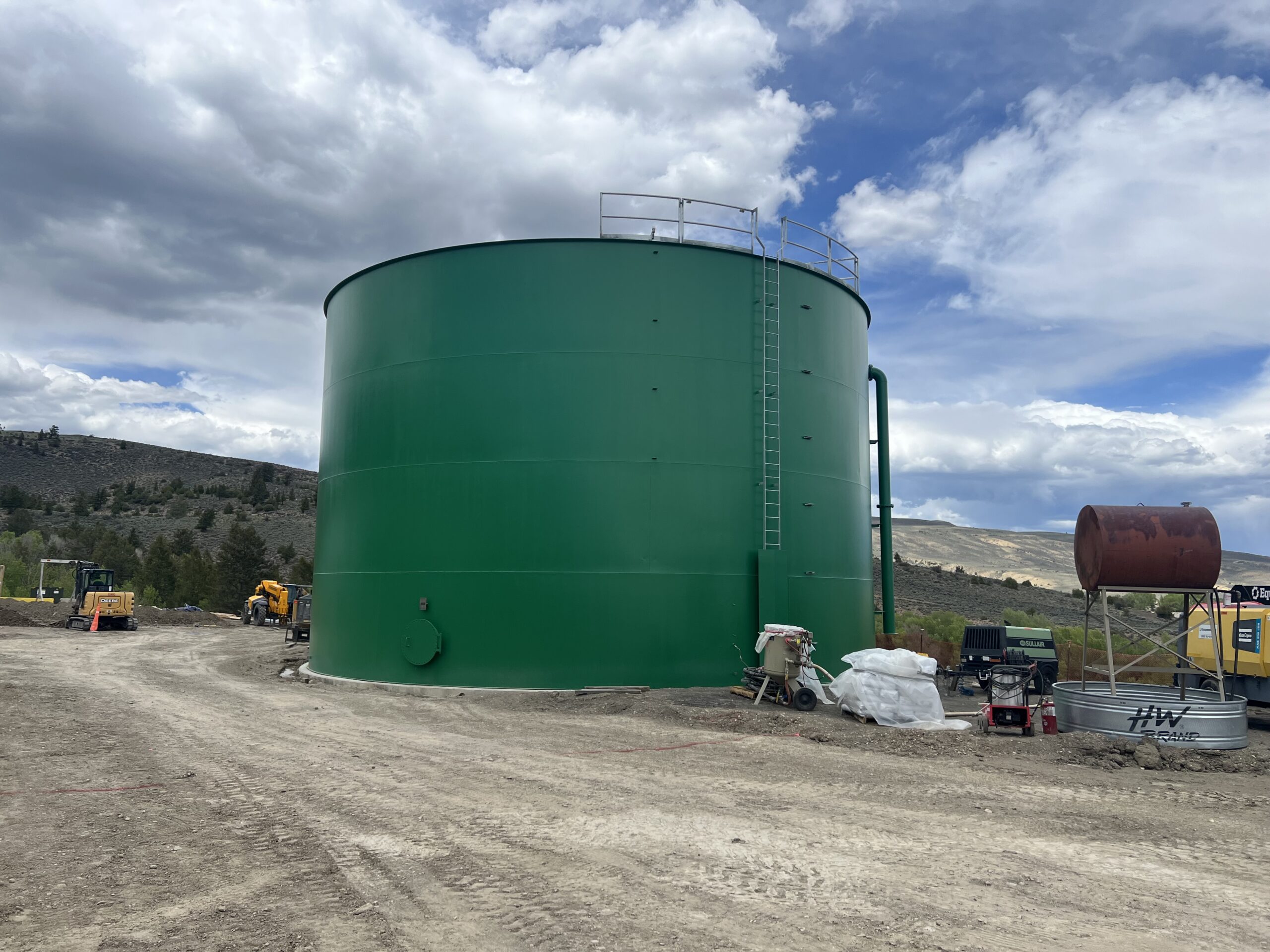
Unlike standard construction agreements that are often developed primarily for vertical or commercial building projects, the WCDA contract is specifically tailored to the operational, regulatory and technical requirements of water and wastewater infrastructure. Treatment plants, pump stations, pipelines and process facilities must remain reliable throughout construction because they directly support public health and essential municipal services. The WCDA contract addresses these unique conditions by providing industry-specific language that supports coordination among the owner, engineer and contractor while clearly defining responsibilities and project expectations.
How the WCDA Contract Supports Water and Wastewater Infrastructure
For Colorado municipalities, this approach has been particularly valuable given the state’s stringent water quality regulations, complex permitting processes, aging infrastructure needs and continued population growth. The contract framework is designed to support efficient decision-making and coordinated project execution, which can help municipalities manage risk and maintain project momentum throughout design and construction.
One of the key benefits to municipalities and owners is improved project certainty. Water and wastewater projects frequently involve challenging site conditions, aging facilities, specialized treatment equipment and operational constraints that can impact cost and schedule if not addressed early. The WCDA contract encourages early coordination and constructability discussions, allowing the project team to identify potential issues, procurement challenges and sequencing considerations before construction begins. This gives municipalities greater visibility into budget and schedule development and helps reduce disruptions during construction.
Supporting Operational Continuity During Active Facility Construction
The contract structure is also well suited for projects involving active plants and facilities. Maintaining uninterrupted service during construction is critical for municipalities and utility operators, particularly in Colorado communities where regulatory compliance and system reliability are closely monitored. The WCDA contract includes provisions that address operational coordination, startup and commissioning procedures, testing requirements and work within live treatment environments. These considerations help municipalities maintain compliance with Colorado Department of Public Health and Environment (CDPHE) requirements while minimizing operational impacts to existing systems.
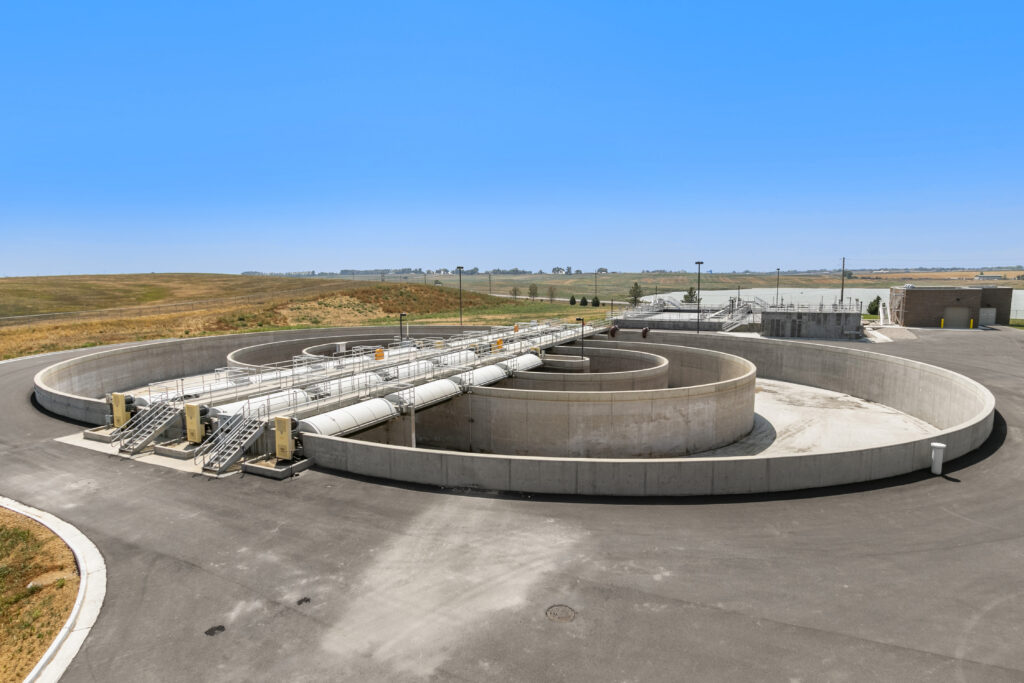
The South Fort Collins Sanitation District (SFCSD) Water Reclamation Facility Expansion & Improvements Phase 1 project included construction of three new structures and two reconditioned structures, all while ensuring no disruptions to the operational plant.
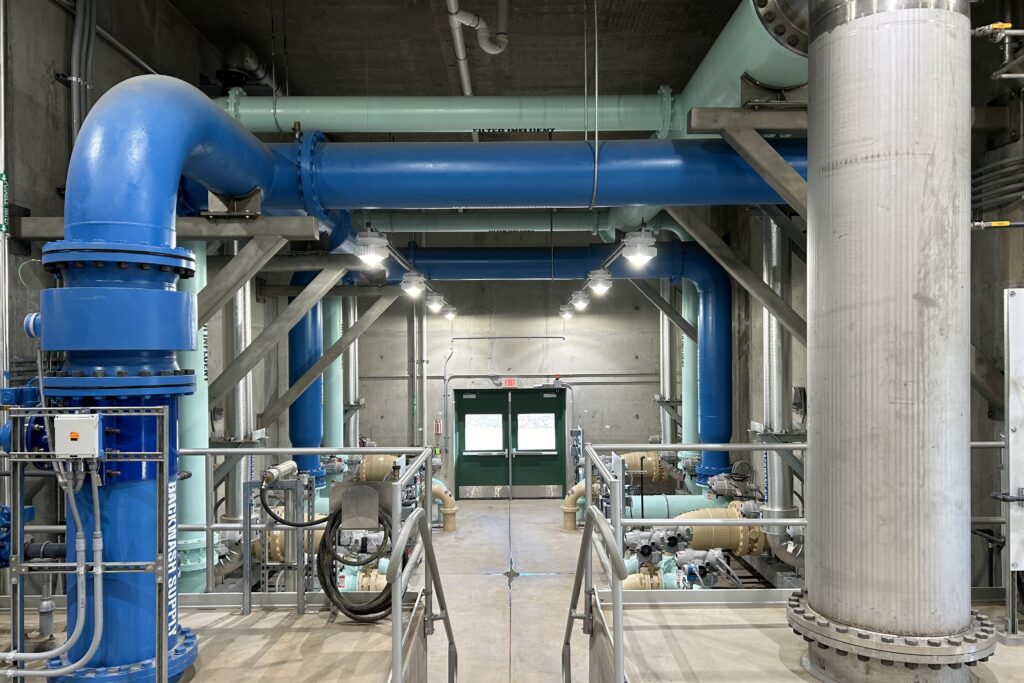
The Wellington Water Treatment Plant Expansion required tie-ins to the active plant, which were executed with surgical precision to avoid service interruptions and maintain fire safety readiness.
Reducing Risk and Improving Coordination for Municipal Owners
Another significant advantage of the WCDA framework is its ability to reduce administrative and contractual friction during project delivery. Water and wastewater projects often require coordination among multiple stakeholders, regulatory agencies and utility operations staff. The WCDA contract promotes transparency and structured communication between participants, helping issues be addressed efficiently and reducing the likelihood of disputes, delays or unnecessary change order conflicts. This creates a more predictable and manageable project environment for municipal owners.
The WCDA contract provides a clear framework for collaboration on complex infrastructure projects and allows contractor expertise to be incorporated during planning, design coordination, procurement and construction sequencing. This early involvement improves constructability, supports more efficient project execution and helps identify risks before they impact cost or schedule.
The contract also supports better coordination around long-lead equipment procurement and construction phasing, which are increasingly important considerations on water and wastewater projects. Early planning and communication among the project team can help avoid schedule compression, minimize disruptions to facility operations and improve overall project efficiency.
The Future of Collaborative Delivery in Water Infrastructure
Ultimately, the WCDA contract aligns well with the specialized needs of water and wastewater infrastructure projects. Municipalities benefit from a contract structure that is designed specifically for utility infrastructure, supports operational continuity, improves coordination among stakeholders and enhances overall project predictability.
As Colorado communities continue investing in critical water infrastructure, the WCDA contract provides a proven framework that supports effective project delivery and long-term value for public owners. Hensel Phelps believes these approaches will continue gaining momentum nationally as owners seek more collaborative, transparent, and resilient project delivery strategies for increasingly complex utility infrastructure projects.
Connect with our team to learn how collaborative delivery strategies can support your next water or wastewater infrastructure project.


