

Across the United States, municipalities are working to modernize aging water, wastewater and stormwater infrastructure while minimizing disruptions to surrounding communities. Many underground utility networks were built decades ago and are deteriorating faster than they can be replaced. As a result, rehabilitation projects often require teams to navigate congested underground conditions, incomplete utility records and active operations that must remain uninterrupted throughout construction.
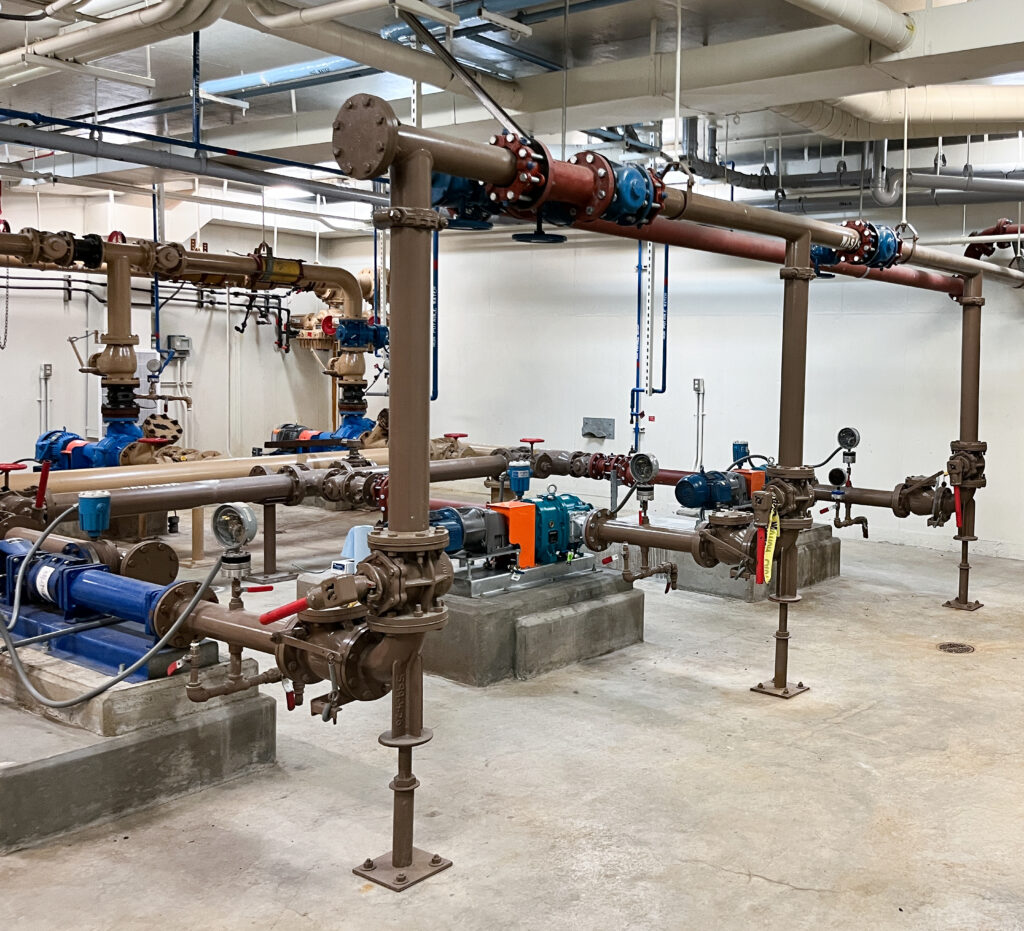
To help address these challenges, Hensel Phelps is exploring how advanced visualization technology originally developed for the gaming industry can improve planning, coordination and owner communication on complex water infrastructure projects.
Complexities of Water Infrastructure
The Virtual Design and Construction (VDC) team at Hensel Phelps’ Rocky Mountain Region, with support from Diverge, a Hensel Phelps company and innovation arm, is piloting a real-time, 3D development platform on water and wastewater projects. Best known for powering modern video games, Unreal Engine, is helping owners and project teams visualize existing conditions, evaluate construction approaches and improve coordination before work begins. Hensel Phelps Lead VDC Engineer Charles Emerson helped introduce the technology and identify opportunities to apply it to projects where existing infrastructure plays a critical role in planning and execution.

Emerson explained that water and wastewater facilities present unique construction challenges because the structures themselves are part of the treatment process. These systems rely on carefully balanced hydraulics, gravity flow and connections to existing infrastructure, which increases the importance of accurate planning and coordination before crews enter the field. Having worked as a millwright for Hensel Phelps, Emerson gained firsthand experience installing and aligning the mechanical equipment that keeps these facilities operating. That background gave him a firsthand understanding of the precision required to keep treatment systems operating effectively.
Creating an Interactive Planning Environment
By combining building information modeling (BIM), light detection and ranging (LiDAR) reality capture scans and interactive visualization tools into a single environment, teams can evaluate existing conditions, communicate design intent and identify potential conflicts before work begins in the field. The technology allows owners, designers and construction teams to review complex rehabilitation scenarios in a way that is more interactive and easier to understand than traditional visualization methods. According to Emerson, “We already have tools that combine BIM, scan data and construction information. Unreal Engine takes that a step further by presenting the information in an immersive, interactive environment that feels more like navigating a video game than reviewing a traditional model.”
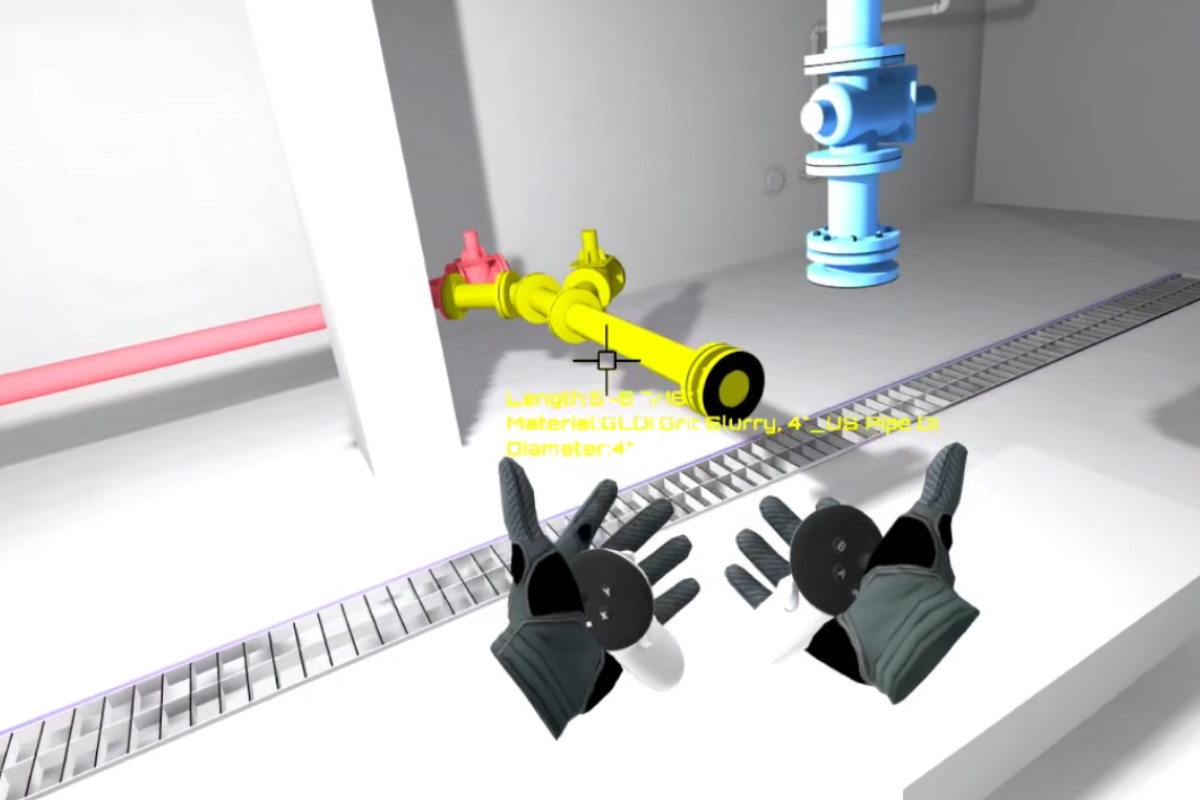
The Rocky Mountain Region’s VDC team piloted Unreal Engine to create immersive first-person BIM walkthroughs, cinematic renderings that compare proposed designs against existing infrastructure and virtual reality experiences using Meta Quest headsets. The effort applies capabilities Hensel Phelps VDC teams have long delivered through established platforms to the unique demands of active water and wastewater facilities. These visualizations help project teams better understand how new systems will integrate into existing operations, identify potential conflicts early and improve coordination before construction begins.
Applying Technology in the Field
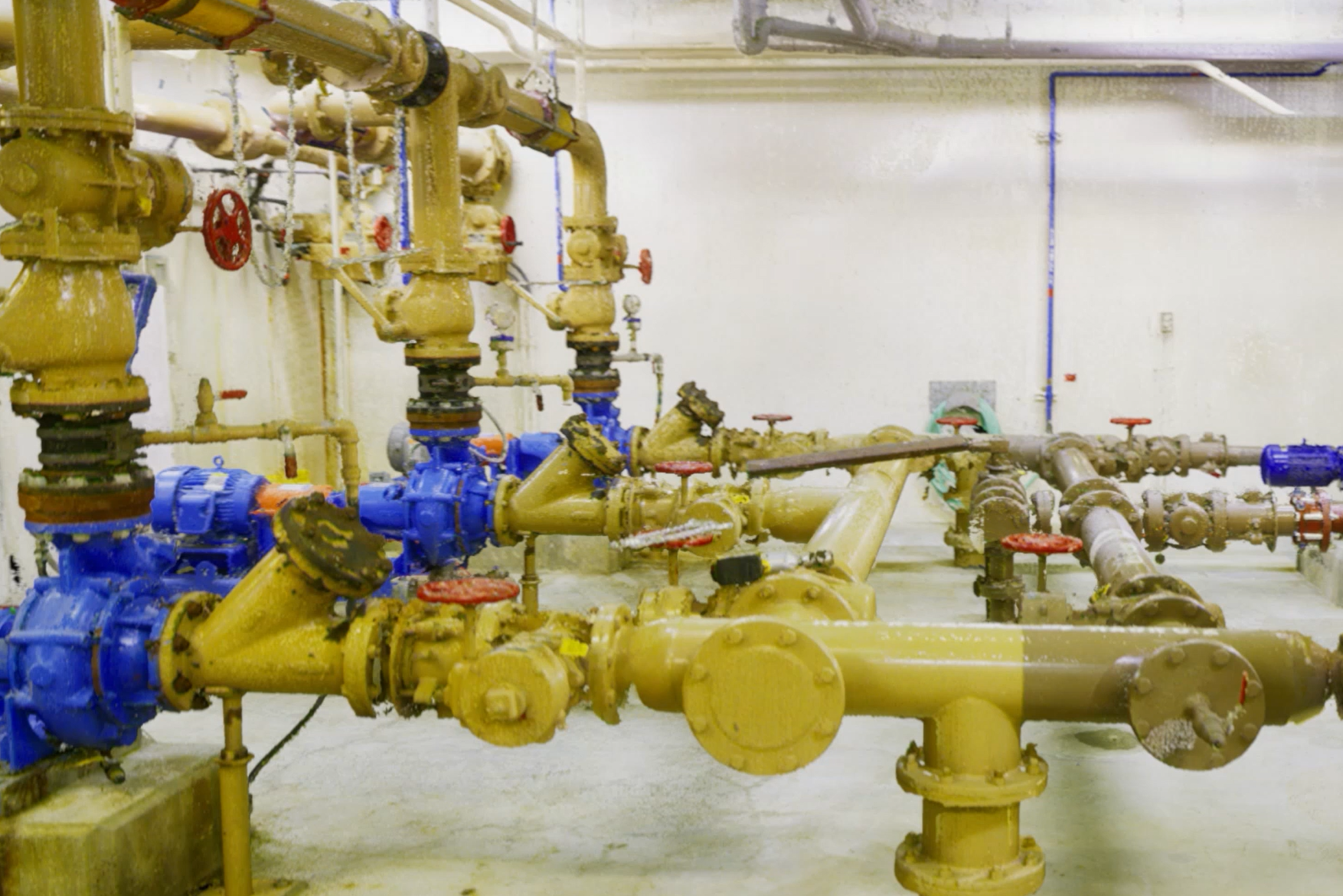
At the Windsor Wastewater Treatment Facility, the Hensel Phelps team overlaid LiDAR reality capture scans with BIM models to better understand how new systems would integrate with existing underground infrastructure before crews entered constrained field environments. Combining point cloud data with BIM models provided the project team with a clearer understanding of site conditions and helped improve coordination in areas where traditional visualization methods had limitations.
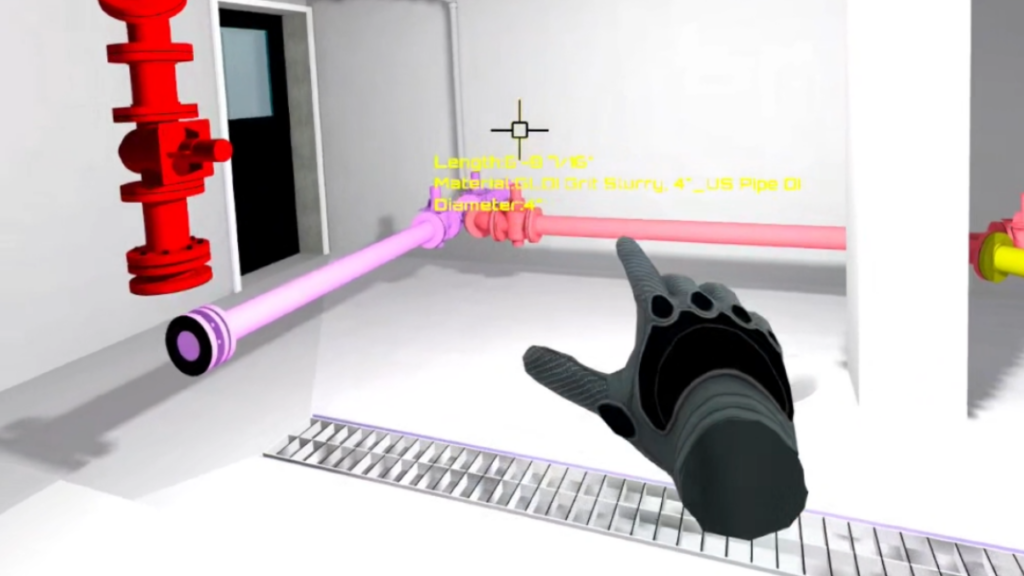
Beyond visualization, Hensel Phelps is exploring Unreal Engine as one of several tools that can support project planning, coordination and owner engagement. The pilot is helping teams evaluate how immersive environments can enhance established VDC workflows, including constructability reviews, 4D planning and digital coordination, on complex water and wastewater projects.
As municipalities continue investing in resilient, future-ready infrastructure systems, Hensel Phelps remains committed to exploring innovative solutions that improve collaboration and support more informed construction decisions.
Visit our Water+Wastewater page to discover more Hensel Phelps projects and connect with our team.