

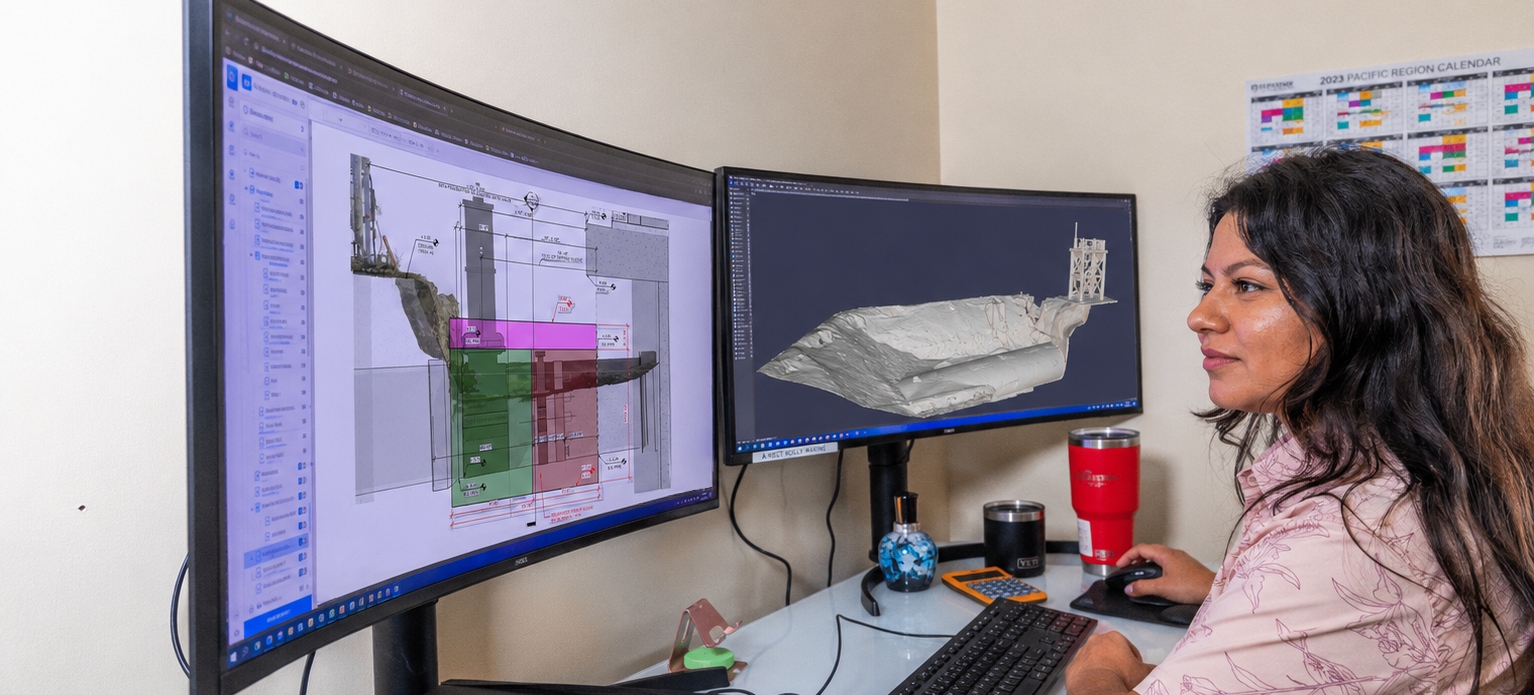
Construction has long followed a simple principle: measure twice, cut once. Hensel Phelps applies that same mindset through Virtual Design and Construction (VDC), enabling teams to model, coordinate and verify self-perform work before critical installations become difficult or costly to change.
By connecting digital planning with field execution, Hensel Phelps can support greater precision, reduce rework and improve predictability throughout construction. That integration is an important part of Hensel Phelps’ self-perform construction capabilities.
Throughout the construction process, VDC can help self-perform teams support:
- Greater precision in field execution
- More efficient sequencing and project coordination
- Better management of construction tolerances
- Cost and material control
- Safer execution by reducing avoidable rework
Laying the Foundation with Digital Modeling
Complex self-perform scopes depend on hundreds or even thousands of individual components fitting together as planned. Digital modeling allows project teams to coordinate those pieces before materials are ordered, fabricated or delivered to the jobsite.
On water and wastewater projects where Hensel Phelps self-performs process piping, for example, VDC teams can develop detailed three-dimensional (3D) models that account for the components that will make up the finished system. Valves, fittings, pipe connections and supports can be coordinated with surrounding concrete and other building systems before fabrication or installation begins.
From that coordinated model, the team develops spool drawings that break the piping system into individual assemblies. Those drawings identify the components required for each assembly, how they connect and what materials need to be ordered. Bills of materials generated from that information help guide procurement and fabrication.
That level of detail is particularly important when specialized materials may have significant lead times. Getting the model and corresponding orders right early helps protect the procurement plan while giving field teams clear information about what will arrive and how it is intended to be assembled.
VDC teams also work with mechanical managers, foremen and other field leaders to optimize individual pipe sections for installation. That can mean adjusting lengths to use materials efficiently or designing pieces to be field-fit where additional construction tolerance is beneficial.
VDC Coordination in the Field
VDC continues to support self-perform work after coordination is complete by helping field teams turn the plan into installed work. Models and drawings are developed to support the people installing the work, which means the connection between VDC professionals and field teams continues throughout construction. Field engineers, superintendents, foremen and craft professionals use model-based information to lay out work, coordinate sequencing and confirm conditions as construction progresses.
Concrete clearly demonstrates the value of this process. Hensel Phelps self-performs concrete on complex projects across multiple markets, including significant scopes such as the self-performed concrete work at the Synagro In-Vessel Bioconversion Facility Upgrades project. On these types of projects, a pipe, utility or other building system may need to pass through a structural concrete wall. Before that wall is placed, the team needs to know that every sleeve and opening is positioned correctly and sized appropriately for the system that will eventually pass through it.
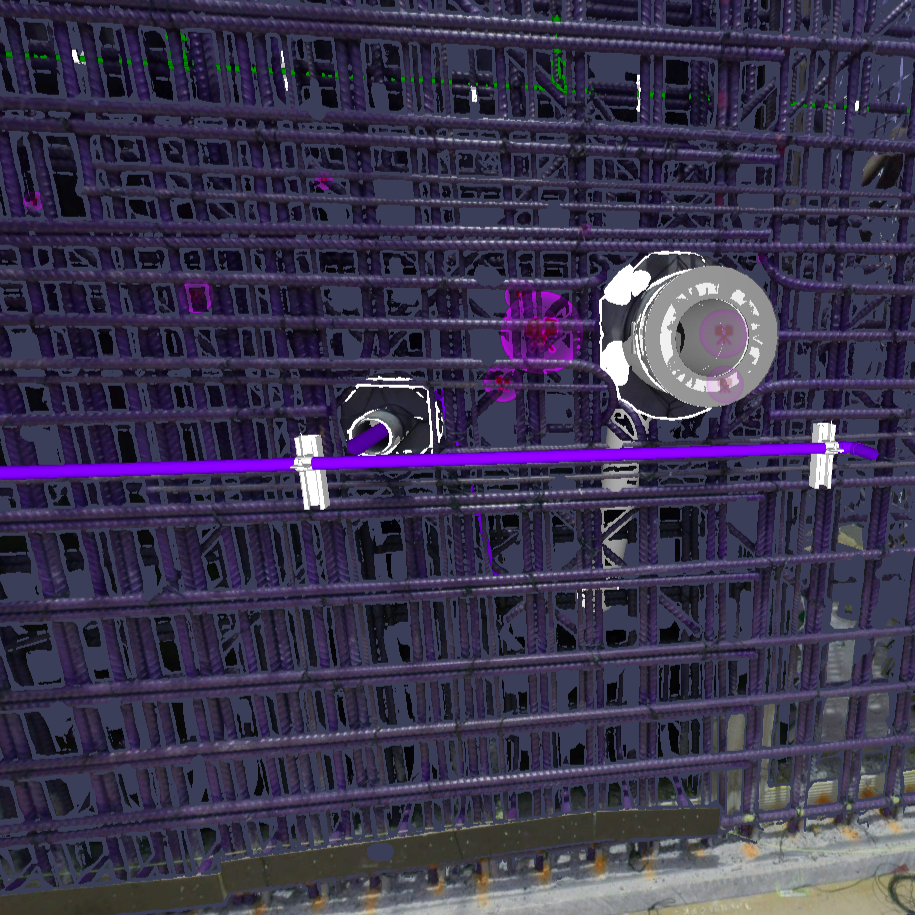
The VDC model provides a coordinated reference. Reality capture can then help the team compare that plan with actual field conditions. Laser scans can document formwork, reinforcing steel, sleeves, dowels and other elements before concrete is placed, giving the team an opportunity to evaluate discrepancies while adjustments are still manageable.
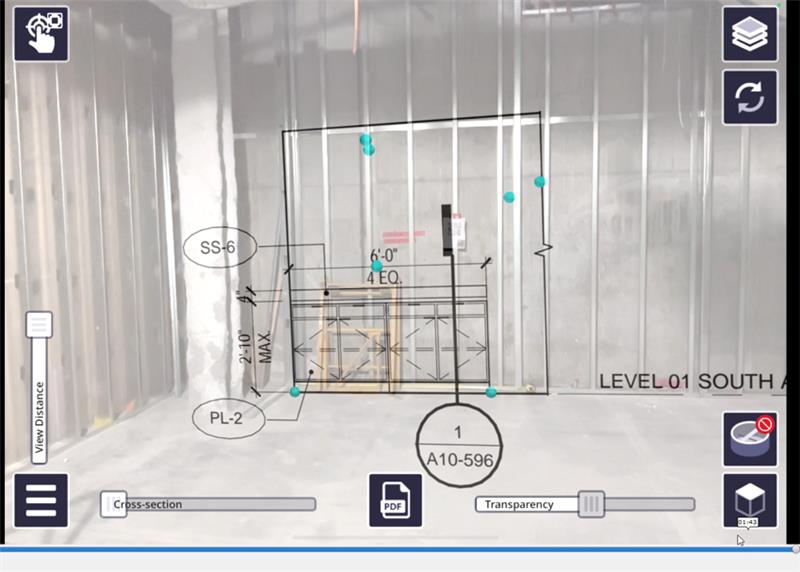
Augmented reality (AR) can provide another project checkpoint by allowing teams to visualize planned systems in the context of the physical jobsite. The goal is to select the right technology for the problem, giving project teams useful information without adding unnecessary complexity.
Proactive Quality Control for Self-Perform Construction
The ability to verify conditions early changes quality control from a largely reactive process to a more proactive one.
For example, consider a concrete wall containing sleeves for process piping. Once the concrete is placed, moving an incorrectly located sleeve may require demolition, coring or other corrective work. A pre-placement scan can help confirm that the sleeve aligns with the coordinated piping model before the second side of the formwork is closed and the concrete is poured.
The same principle can apply to structural steel. Reality capture can help teams verify beam orientation, camber, bolt patterns and anchor bolt locations so connections between steel and concrete align as planned.
On one high-rise hotel project in Salt Lake City, a scan identified deck-edge formwork that was in the wrong location before a concrete placement proceeded. The project team estimated that catching the discrepancy before the pour avoided roughly $250,000 in corrective work.
The value extended beyond cost. Correcting the condition after concrete had been placed several stories above grade would also have introduced demolition work, additional schedule impacts and new safety considerations. Finding the issue early allowed the team to correct the plan before a manageable discrepancy became a larger field problem.
Protecting Schedule, Safety and Design Intent
Every construction project includes tolerances. As work progresses from foundations and concrete to structural systems, utilities and finishes, those tolerances can accumulate. VDC helps teams understand those relationships earlier and verify that construction remains within acceptable limits. That becomes especially important where multiple systems intersect or where the final condition must meet precise dimensional requirements.
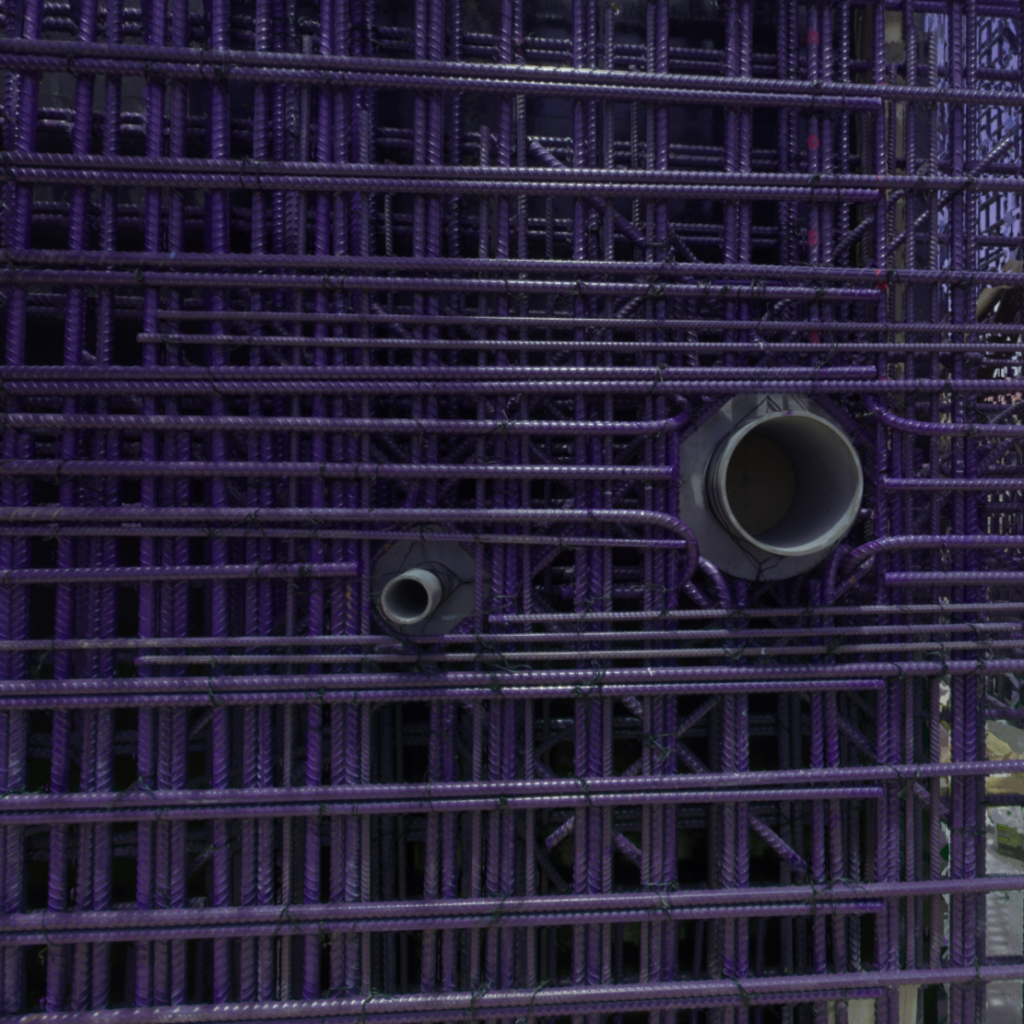
Reducing rework also supports safer execution. Unexpected demolition or corrective work creates unnecessary exposures to potential hazards that the project team can avoid when discrepancies are identified earlier. Schedule benefits follow the same principle. An issue identified before concrete placement may require a relatively simple adjustment. The same issue discovered weeks or months later can affect completed work, subsequent installations and multiple trades.
For the owner, strategic use of VDC can result in greater confidence that the finished project will reflect the coordinated design and perform as intended.
Construction Technology That Supports People and Processes
The value of VDC is ultimately measured by what it enables project teams to accomplish in the field.
3D modeling, reality capture and AR provide project teams with additional ways to understand the work, communicate expectations and identify potential issues proactively. Their effectiveness comes from the construction knowledge of the VDC professionals, field engineers, superintendents, foremen and craft professionals using them together.
For self-perform construction, that connection is particularly powerful. Hensel Phelps can bring its planning, technology and craft expertise together around the same scope of work, helping teams make informed decisions before installation and verify those decisions as construction progresses.
Learn more about Hensel Phelps’ construction technology and Virtual Design and Construction capabilities and how technology supports project teams from planning through field execution.


