


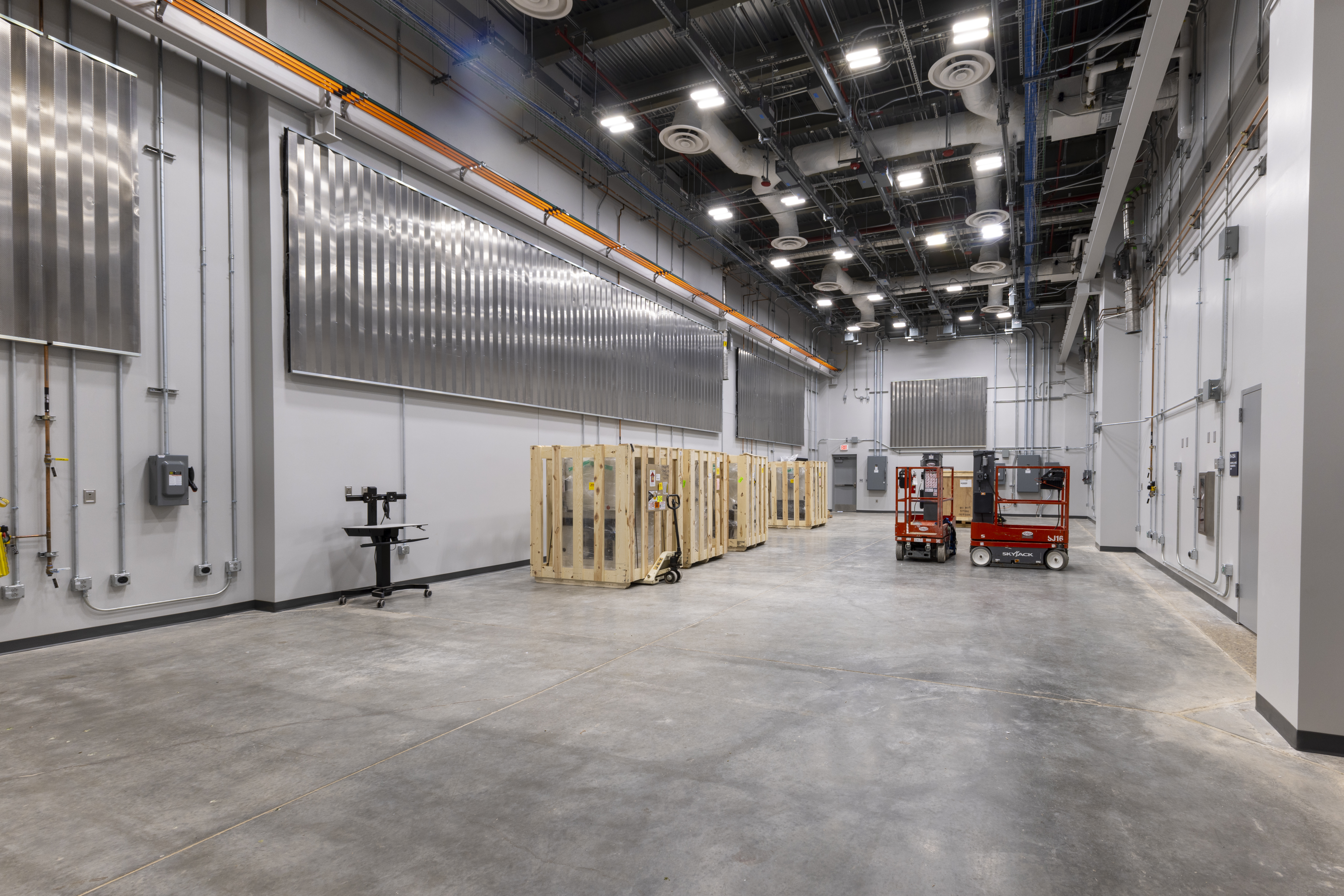
Across the Department of Defense (DoD) and National Nuclear Security Administration (NNSA), the nation’s energetics enterprise is undergoing a fundamental transformation. The challenge is no longer simply replacing aging infrastructure; it is delivering operational capability at the speed national security demands. Every delay in bringing research laboratories, testing facilities and production environments online slows innovation, limits manufacturing capacity and delays mission readiness.
Agencies are increasingly developing integrated energetics campuses that unite research, development, testing and specialized operations. By reducing handoffs, strengthening collaboration and connecting activities across the mission lifecycle, these campuses accelerate innovation, reinforce the defense industrial base and improve mission readiness.
Delivering these environments requires far more than constructing technically sophisticated facilities. Success depends on integrating specialized building systems, rigorous safety requirements and ongoing operations into environments that perform reliably from day one. As campuses become more interconnected, coordinating systems, stakeholders and phased execution across multiple facilities becomes just as critical as the performance of any individual building.
Through its experience delivering complex research, testing and high-hazard facilities, including the Advanced Munitions Technology Complex (AMTC), Propulsion Systems Lab (PSL) and Pantex High Explosive Science & Engineering (HESE) Facility, Hensel Phelps has found that the greatest challenges rarely lie within individual building systems. They are found in aligning people, processes and technology to accelerate the transition from construction to operational capability.
This article explores how leading energetics programs are:
- Transitioning from standalone facilities to integrated campuses
- Improving reliability through systems integration
- Accelerating readiness through continuous validation
- Delivering projects without disrupting ongoing missions
The Shift Toward Integrated Energetics Campuses
The era of one-for-one facility replacement is giving way to a more integrated approach. As owners invest in integrated energetics campuses, they seek to create environments where research, testing and specialized operations work together more effectively, reducing the time between concept development, evaluation and mission execution.
As integrated campuses become the new model, success is increasingly measured not by the number of facilities delivered, but by how effectively the environment advances the mission it was built to support.
Pantex HESE Facility: A Modern High Explosives Campus
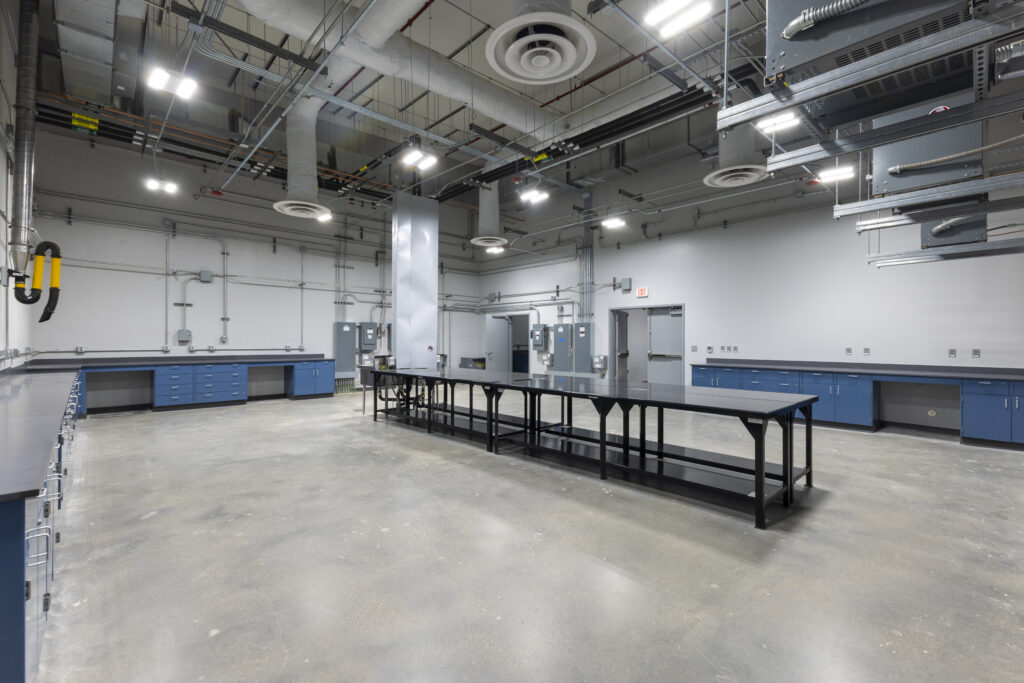
The Pantex HESE Facility in Amarillo, Texas, supporting the NNSA’s High Explosive Center of Excellence, exemplifies this shift. Rather than replacing individual buildings, the project consolidates more than 10 legacy facilities into a single complex that combines laboratory research, blast testing and administrative functions.
“This allows for operational efficiencies across several workflows… engineers and scientists operate in a single complex without having to travel to multiple buildings,” says Project Manager Cody Edwards.
Constructing an Integrated Munitions Complex at Eglin Air Force Base AMTC
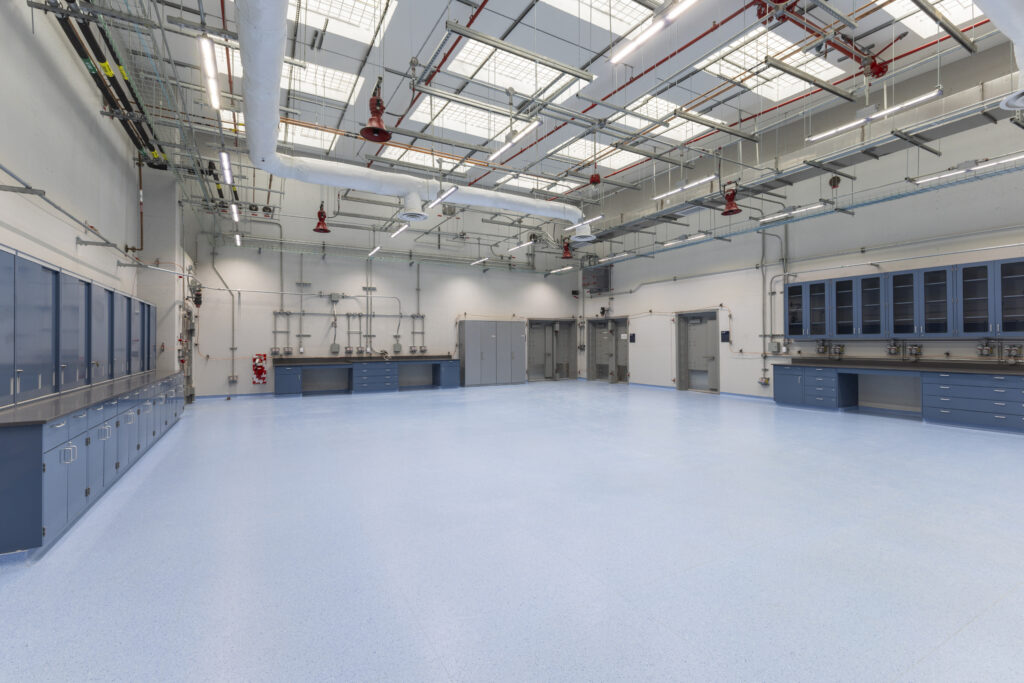
The same philosophy guided delivery of the AMTC for the Air Force Research Laboratory in Florida. Beyond providing specialized laboratories and testing capabilities, the project demonstrates how research environments can shorten the path between concept development, evaluation and future operational capability.
The Importance of Systems Integration
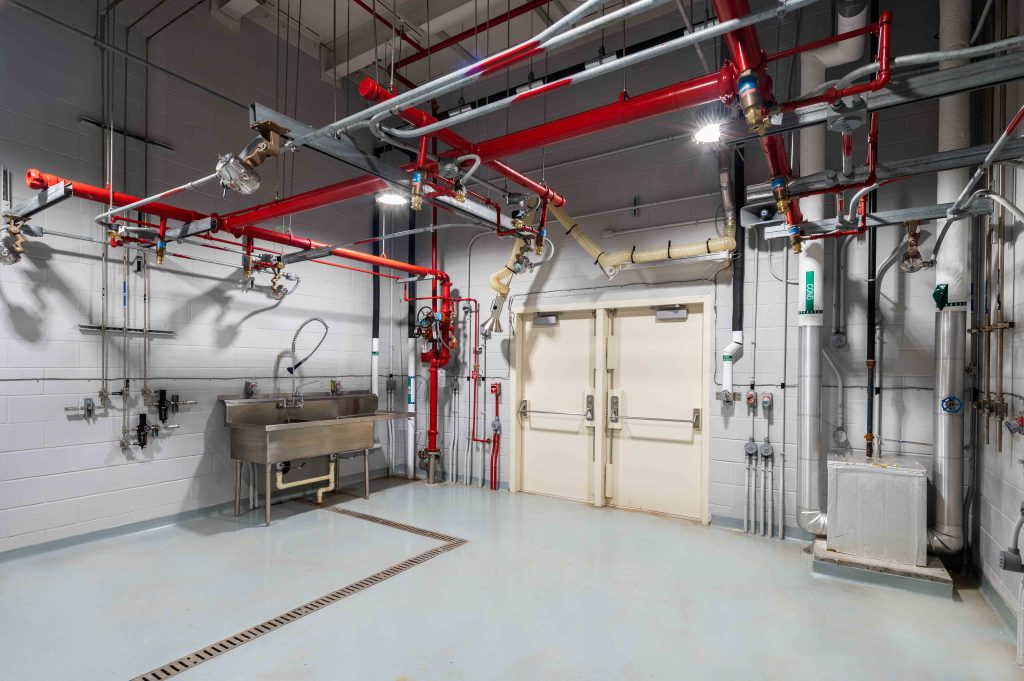
The complexity of modern energetics facilities is often associated with sophisticated equipment or specialized building systems. In reality, operational performance depends on something much more fundamental: systems integration.
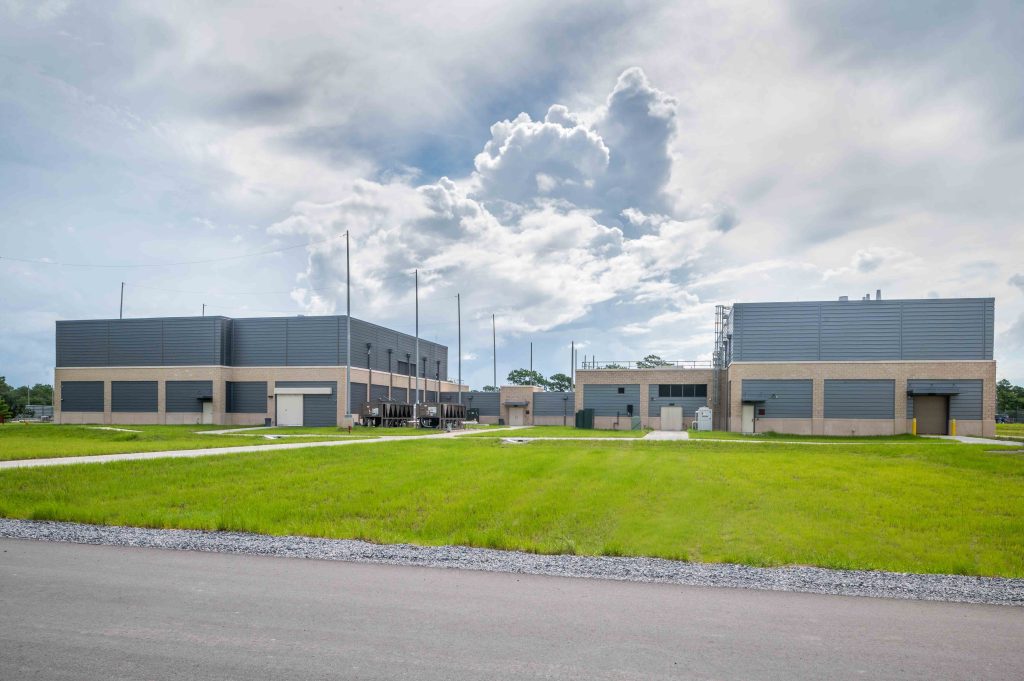
The US Army Corps of Engineers’ PSL in Huntsville, Alabama illustrates this challenge. Unlike a conventional laboratory, PSL operates as a campus of interconnected testing facilities where mechanical, electrical, controls, utilities and supporting infrastructure must function as a single coordinated system.
“For a test to succeed, every system must be fully integrated and operating together as designed… Successful testing validates not only the performance of individual components but also how they work together as a complete, integrated system,” says Project Manager Charles Kay.
That integration becomes even more critical in high-hazard environments. At PSL, mechanical and controls systems required exceptionally close coordination to maintain precise temperature, airflow, pressure and humidity. “Even minor deviations from the required operating parameters can have serious consequences, making thorough system coordination, commissioning and testing essential before the facilities are placed into service,” says Kay.
The same emphasis on integration shaped the Pantex HESE Facility, where blast protection systems introduced specialized interlocks, gaseous sensing systems and sophisticated controls programming that required extensive engineering coordination well before installation.
Preparing Energetics Facilities for Operation
In mission-critical environments, operational readiness is established long before equipment is energized. That process starts by maturing project requirements early. Rapid site assessments, collaborative design development, constructability reviews and progressive cost validation help owners identify risks, align stakeholders and make informed decisions before they become schedule impacts. Rather than waiting for every requirement to be fully defined before moving forward, leading programs progressively validate assumptions and reduce uncertainty as projects advance.
At PSL, validating airflow, pressure tolerances, controls logic and environmental performance required teams to identify coordination issues long before systems were activated. “The hardest part wasn’t installing the systems,” explains Kay. “It was getting everyone aligned early enough to identify coordination issues before they affected construction. That proactive communication allowed us to solve problems before they reached the field”
A similar approach proved valuable at the Pantex HESE Facility, where early model coordination and continuous engagement with end users resolved complex equipment integration challenges while supporting long-term facility performance. According to Edwards, “Early coordination with model planning was key… Engaging user groups in the process proved very valuable. This created solutions throughout the project that ultimately led to a product that will serve generations to come.“
Completing construction, however, is only one milestone. Production readiness also depends on operator training, maintenance access, equipment interfaces, security procedures, spare parts planning and operational processes that allow facilities to transition quickly into productive use. Considering these requirements throughout delivery shortens the path between substantial completion and operational capability.
Construction in Active Campuses
Unlike many capital projects, modernization within the energetics enterprise rarely occurs on an empty site. New facilities are often delivered within active campuses where research, testing and other mission-critical activities must continue uninterrupted. Every decision must account for how construction affects ongoing operations, safety and the mission itself.
At PSL, “construction activities had to be continuously coordinated around end-user operations… We always identified alternative work areas and maintained contingency plans so crews could remain productive when primary work zones were unavailable,” says Kay.
The AMTC presented many of the same challenges. Delivered over multiple phases, the project required construction to proceed while maintaining campus operations and accommodating future expansion. “The existing campus needed to remain fully functional without interruption throughout the life of construction,” explains Project Manager Pete Catauro. “Early understanding and communication of restrictions is paramount when developing the schedule and ensuring contractor buy-in.”
As Catauro summarizes, “Plan a way to maintain function of the facility without impacting or restricting construction progress.
The Future of Energetics Facility Construction
The next generation of energetics infrastructure cannot be delivered through traditional, sequential project execution. Across the broader defense industrial base, federal agencies, private manufacturers, technology companies and suppliers face pressure to expand capacity, integrate specialized systems and adapt facilities to evolving missions. The programs that move fastest will align mission requirements, planning, design, procurement, construction, validation and future expansion as a single coordinated strategy.
Hensel Phelps’ experience delivering complex research, testing and high-hazard facilities demonstrates that early requirements development, integrated planning, continuous validation and operational continuity can reduce risk and accelerate the transition from construction to operational capability. These proven approaches can be scaled across programs, installations and agencies to improve execution and support future projects.
As investment across the defense industrial base grows, selecting the right construction partner becomes increasingly important. Hensel Phelps works alongside owners from early planning through startup to integrate complex systems, reduce project risk and deliver mission-ready facilities built for long-term performance. Contact the Hensel Phelps team to discuss project requirements and delivery strategies.


