

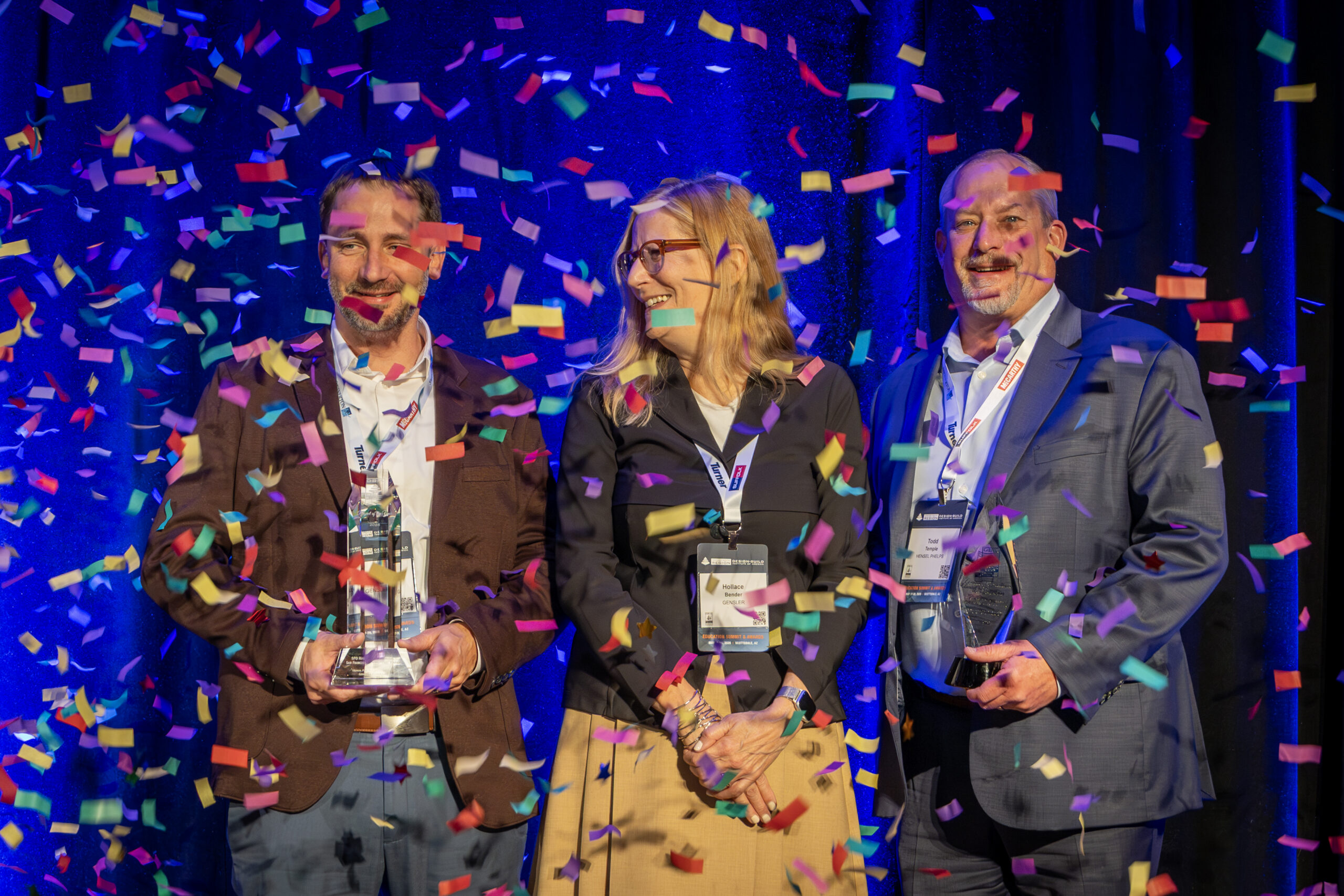
The San Francisco International Airport (SFO) Harvey Milk Terminal 1(HMT1) project has been recognized with both the Design-Build Institute of America (DBIA) Western Pacific Region (WPR) Project of the Year Award and a Virtual Design and Construction (VDC) Award at the 2026 Education Summit and Awards. These honors highlight the project’s collaborative delivery approach, innovative construction solutions and commitment to excellence in design and execution.
Harvey Milk Terminal 1: Transforming the Passenger Experience at SFO
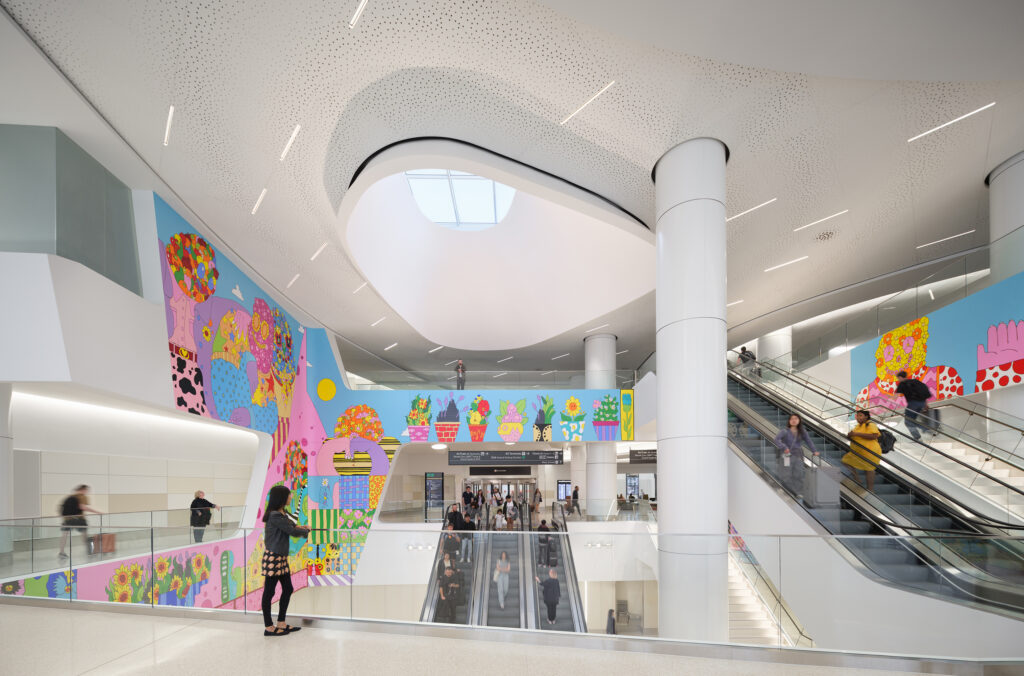
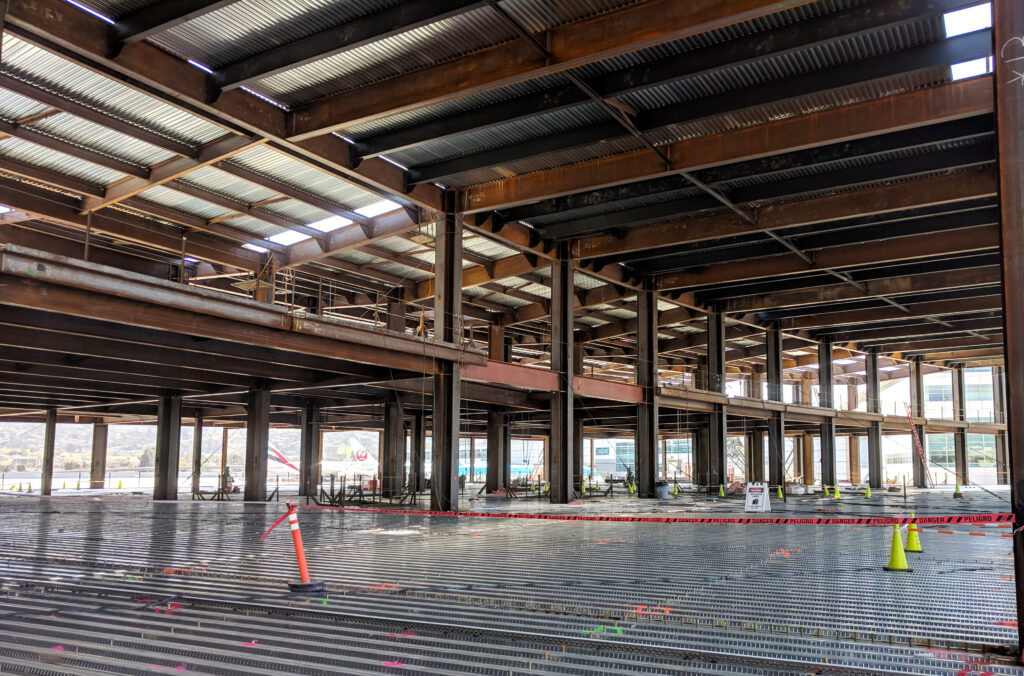
In working to help SFO continue modernization of their terminal network, Hensel Phelps partnered with Gensler + Kuth Ranieri Architects to deliver the HMT1 project. Utilizing progressive design-build delivery, the 900,000+ SF project includes a new check-in lobby and TSA checkpoints, a sensory room, an expanded recompose area along with modern holdrooms and baggage claim areas that support passenger movement through the terminal. Pre- and Post-security connectors to Boarding Area C and the International Terminal, alongside access to the AirTrain and central parking garage, strengthen connectivity across the airport’s campus. The new Independent Carrier System (ICS) baggage handling system, the first of its kind installed in a United States airport, improves baggage handling reliability and efficiency. Together, these elements support SFO’s commitment to creating an elevated passenger experience from departure to arrival, and increases operational continuity and integration within SFO’s broader terminal system.
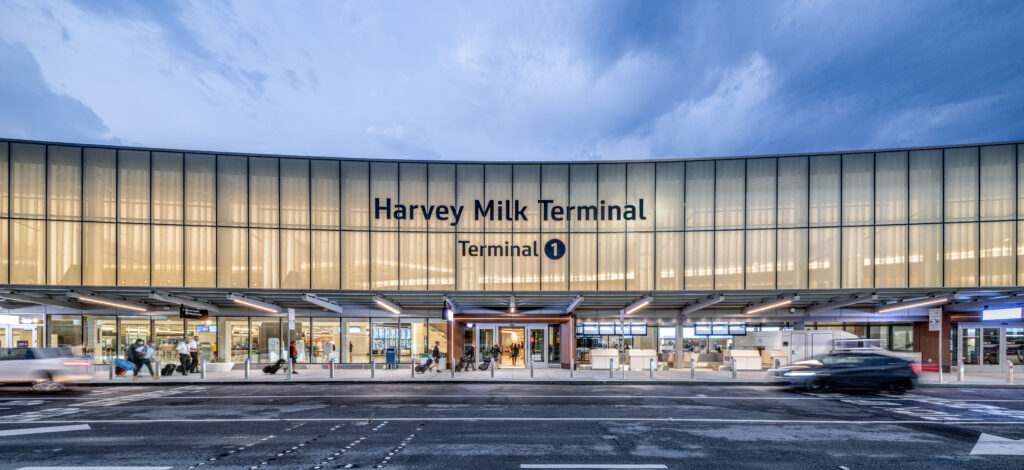
HMT1 also demonstrates a strong commitment to sustainability, achieving Leadership in Energy and Environmental Design (LEED) Platinum, Fitwel 2 Star Design Certification, the first airport in the world to do so, and Fitwel 3 Star Build Certification. To attain these goals, the team evaluated design decisions based on long-term performance outcomes, implementing strategies that reduced energy use, minimized carbon impacts and enhanced indoor environmental quality. This approach underscores the collaboration and integration that defined the project from design through construction.
We are honored and thankful to the DBIA-WPR for selecting Harvey Milk Terminal 1 as Project of the Year and for a Virtual Design & Construction Award. This type of recognition is a testament to SFO’s approach to the Progressive Design Build delivery model, and it was only achievable due to the entire team’s commitment to collaboration and transparency.
– Todd Temple, Hensel Phelps Operations Manager
Progressive Design-Build Excellence
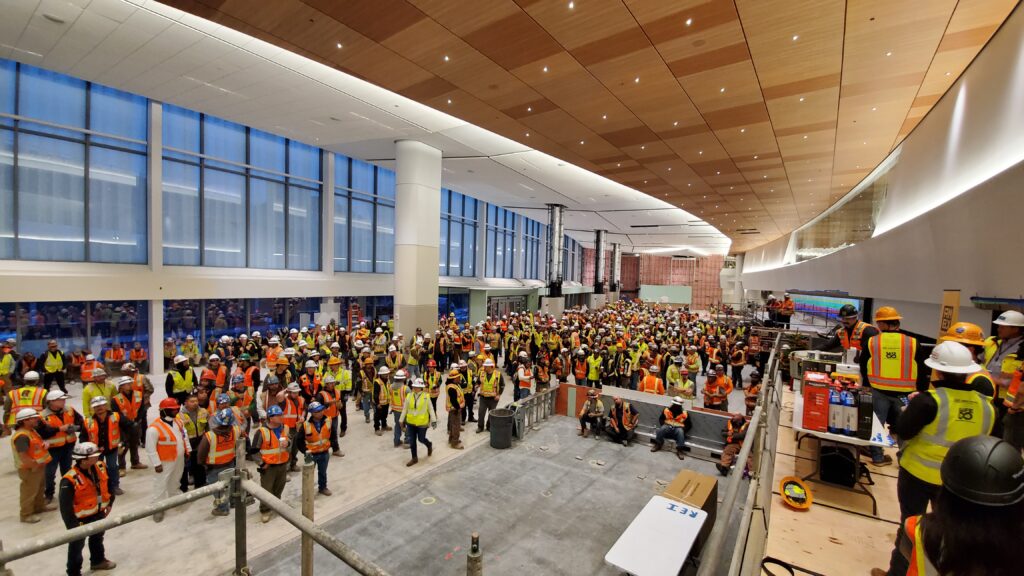
The progressive design-build delivery model supported coordination and decision-making across the HMT1 project. Communication and shared accountability were essential as the team maintained operations with a minimum of nine active gates while advancing phased demolition and construction. Early in the project, success was tied to close coordination between the owner, design partners, stakeholders and a separate design-build team delivering Boarding Area B.
A co-located Big Room enabled real-time coordination and rapid decision-making. Weekly meetings, pull planning sessions aligned sequencing and handoffs. In the field, micro-phasing and off-peak scheduling allowed systems and spaces to transition without disrupting ongoing airport operations.
Industry-leading VDC Innovation
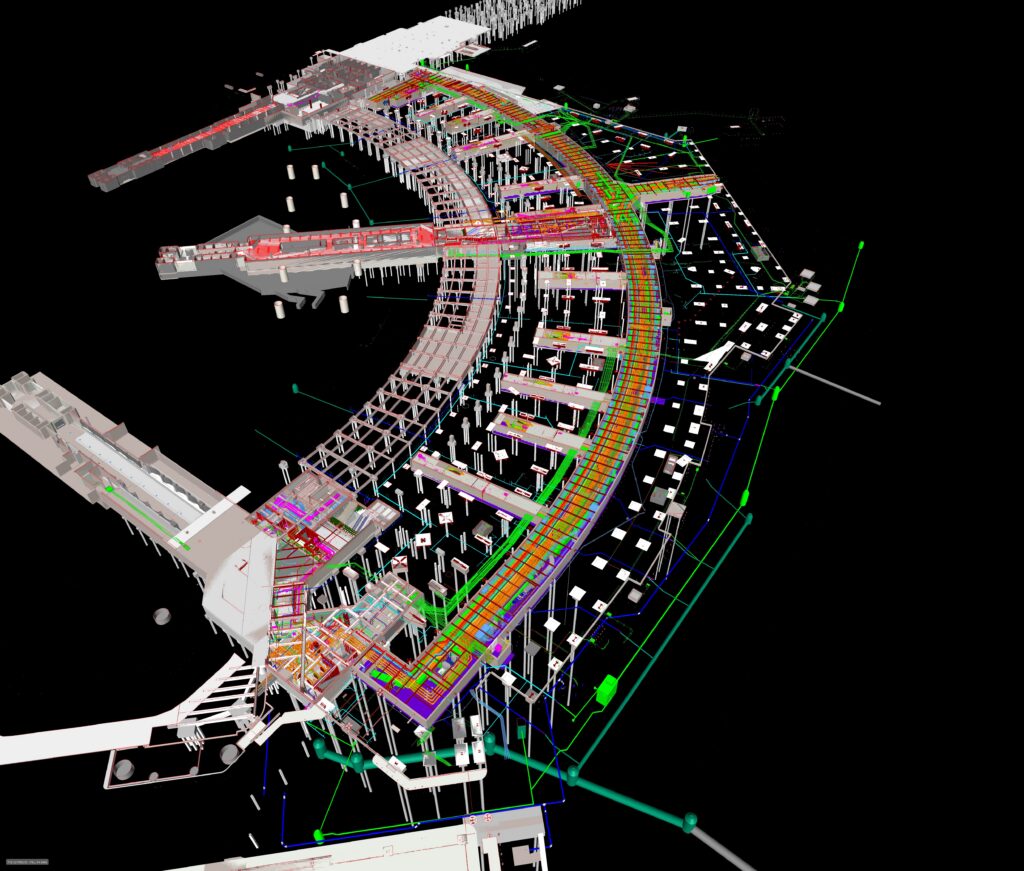
Harvey Milk Terminal 1 also demonstrates how a fully integrated VDC approach can create a cohesive platform for achieving owner goals. From the outset, SFO, Hensel Phelps, Gensler and key trade partners aligned around a shared digital strategy, using a federated Revit-based model to drive collaboration across disciplines and phases.
Clearly defined modeling standards established consistency, while early development of the building information modeling (BIM) Execution Plan and level of development (LOD) Matrix created a roadmap for coordination and delivery. Co-location in the Big Room and real-time VDC coordination sessions enabled rapid issue resolution, reduced rework and improved decision-making across design and construction.
Field innovations, including robotics for layout and model-based verification, extended digital workflows directly into construction, strengthening quality and productivity. Through this coordinated approach, VDC supported improved cost certainty, schedule clarity, construction accuracy and lifecycle value, delivering a high-performing, facilities-ready asset fully aligned with SFO’s operational and maintenance objectives.
Adaptability, Teamwork and Collaboration
At the core of the project’s success was the team’s ability to adapt in a dynamic environment. Despite unforeseen conditions and pandemic-related constraints on access, labor and sequencing, the team adjusted protocols, refined phasing and recovered lost time. This team embodied the values of progressive design-build delivery at every stage of the project, meeting and exceeding key milestones, maintaining progress and supporting continuous airport operations with continued collaboration and a commitment to each other.
The recognition of Harvey Milk Terminal 1 highlights Hensel Phelps’ commitment to delivering innovative, passenger-focused aviation facilities. Visit the Hensel Phelps Aviation page to explore how the company is helping airports across the country modernize, expand and enhance the travel experience.