

About The Project
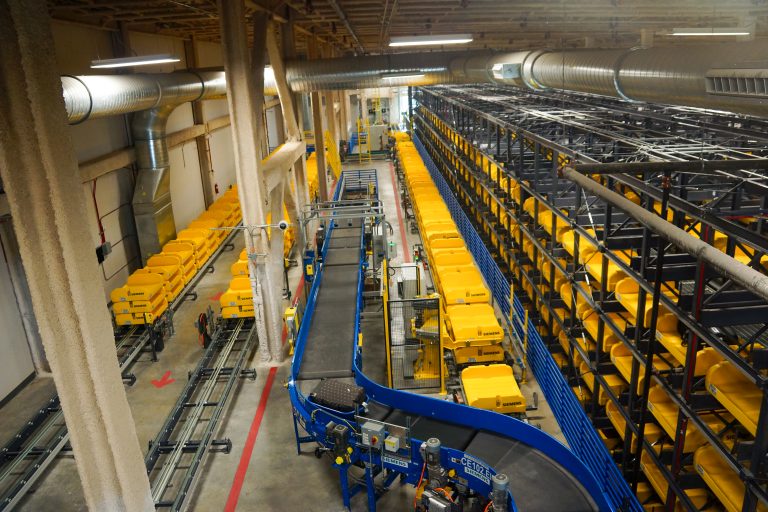
The Port of Seattle Baggage Optimization Phase 3 project demonstrates how smarter construction strategies can advance complex aviation infrastructure in an active airport environment. As the final phase of the Seattle-Tacoma International Airport (SEA)’s Baggage Optimization Project, the $437 million construction manager/general contractor project is completing the transition from six independent baggage screening systems to one centralized system.
As with the SEA Baggage Optimization Phase 2 project, the project team plans and sequences work around continuous airport operations, passenger movement, airline activity and Transportation Security Administration (TSA) safety requirements. This phased approach enables the project team to connect the south-end baggage systems while maintaining critical functions and limiting disruption to travelers and airport stakeholders.
Once complete, the centralized system will offer greater flexibility by allowing bags checked at any ticket counter to be routed to any gate. The project also supports future passenger growth, delivering a more adaptable baggage operation with greater certainty during construction and for SEA’s long-term needs.
Learn how Hensel Phelps delivers complex construction solutions across markets by visiting our Projects Page.
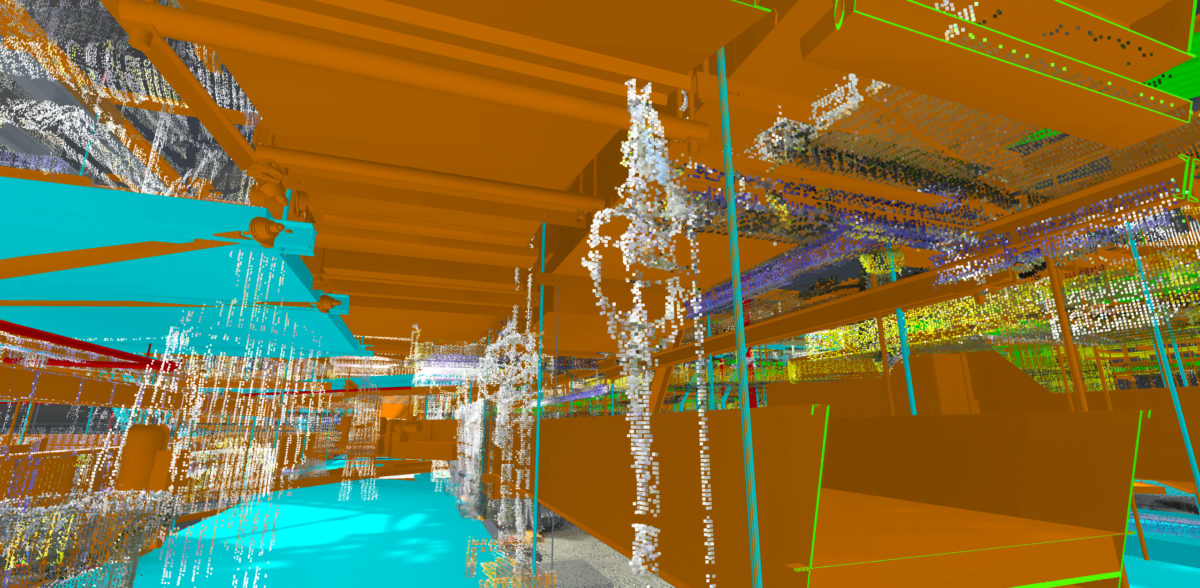
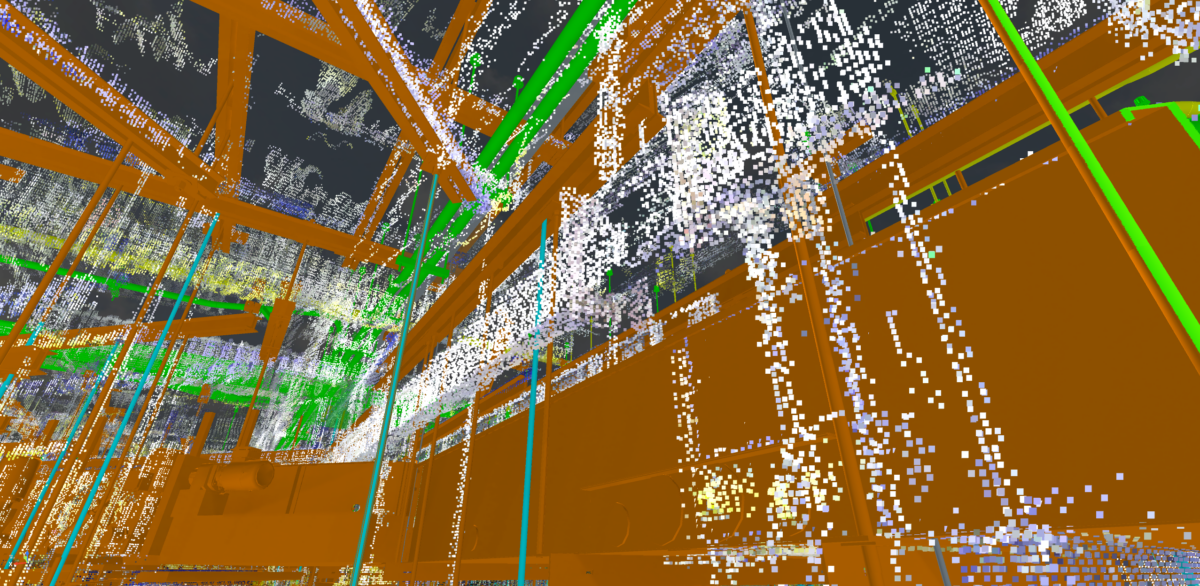
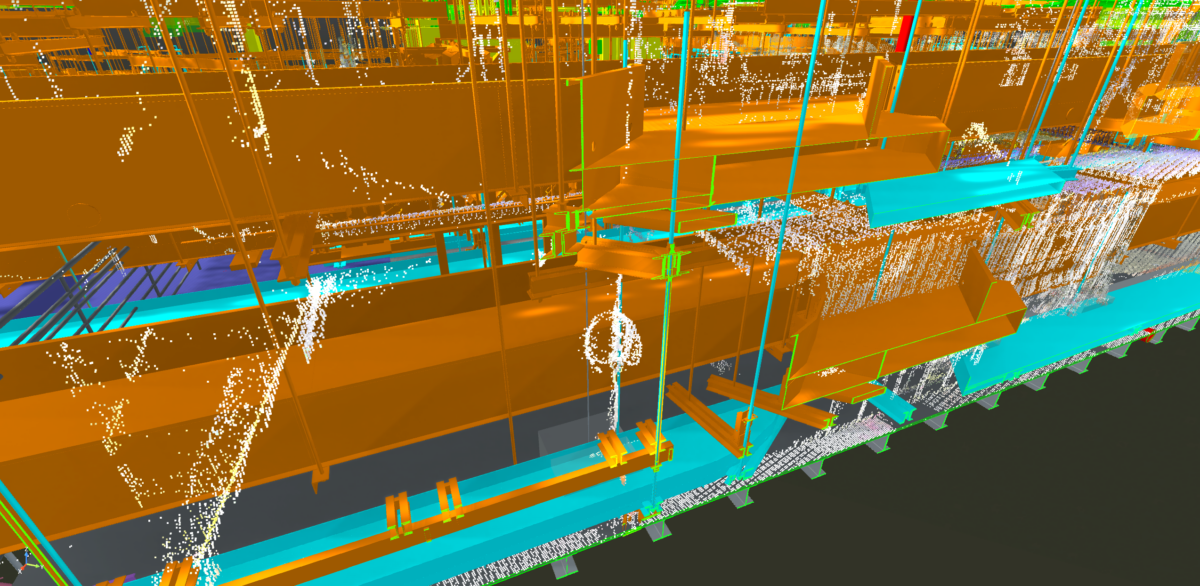
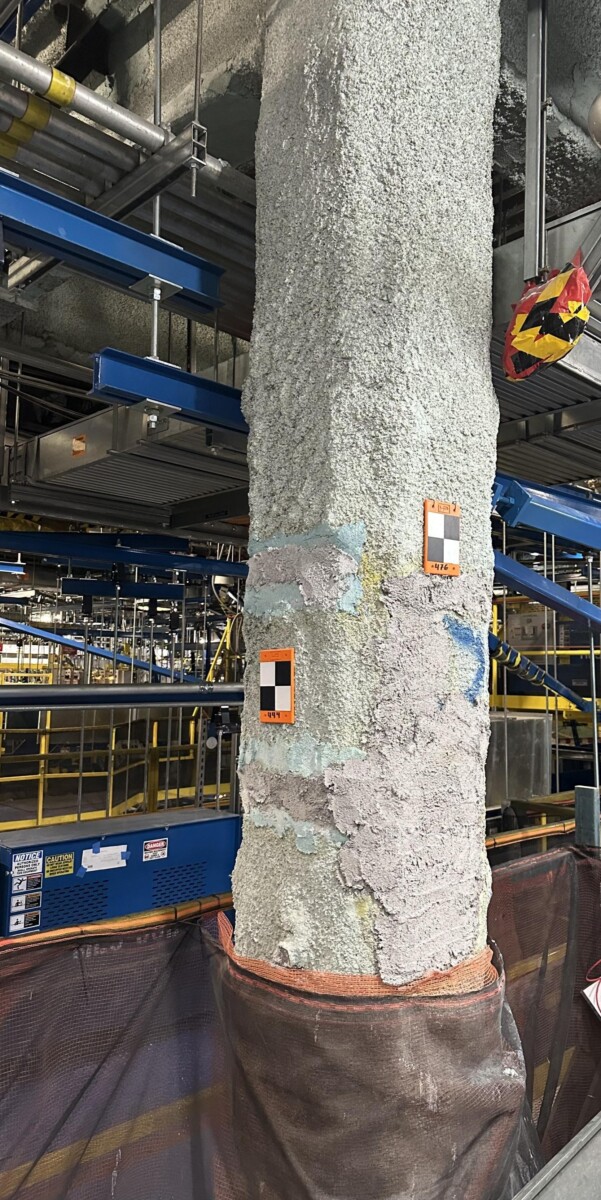
Using laser scanners and 3D printers is not really innovative; every project uses them. The innovation on BOP3 is the process developed to use them in an environment where traditional scanning methods are largely unworkable. Our custom-mounted 3D-printed control targets provide semi-permanent control above the scaffold deck, enabling rapid and repeatable scan registration. This reduces a process that could take a whole day down to just minutes, making regular progress scanning feasible on a uniquely challenging site.“
– HARRY FLATT, VDC ENGINEER | HENSEL PHELPS
Challenge
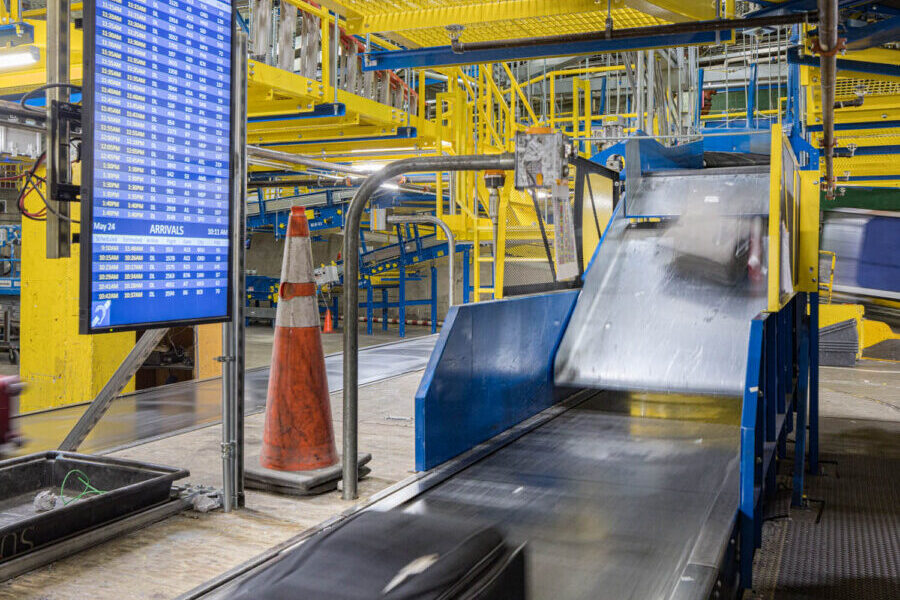
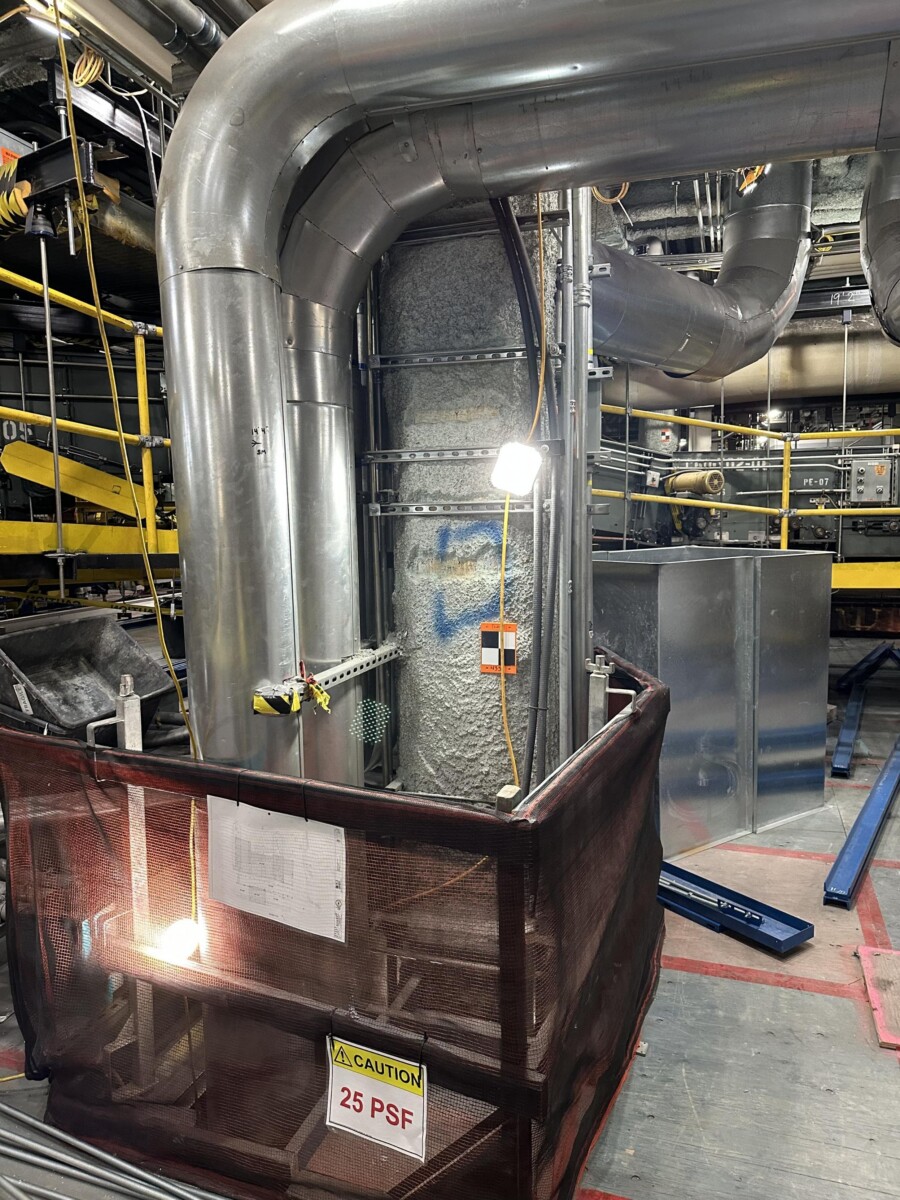
SEA’s congested bagwell created unique challenges for construction coordination and quality assurance/quality control (QA/QC). To accurately scan existing conditions, identify potential conflicts and coordinate construction activities, the project team needed fixed reference points that could be used for repeated laser scans. Traditional scanning targets were costly, difficult to install and poorly suited for the crowded space. The team also needed a way to attach the targets to fireproofed structural steel without damaging the protective coating or requiring repairs after removal.
Solution
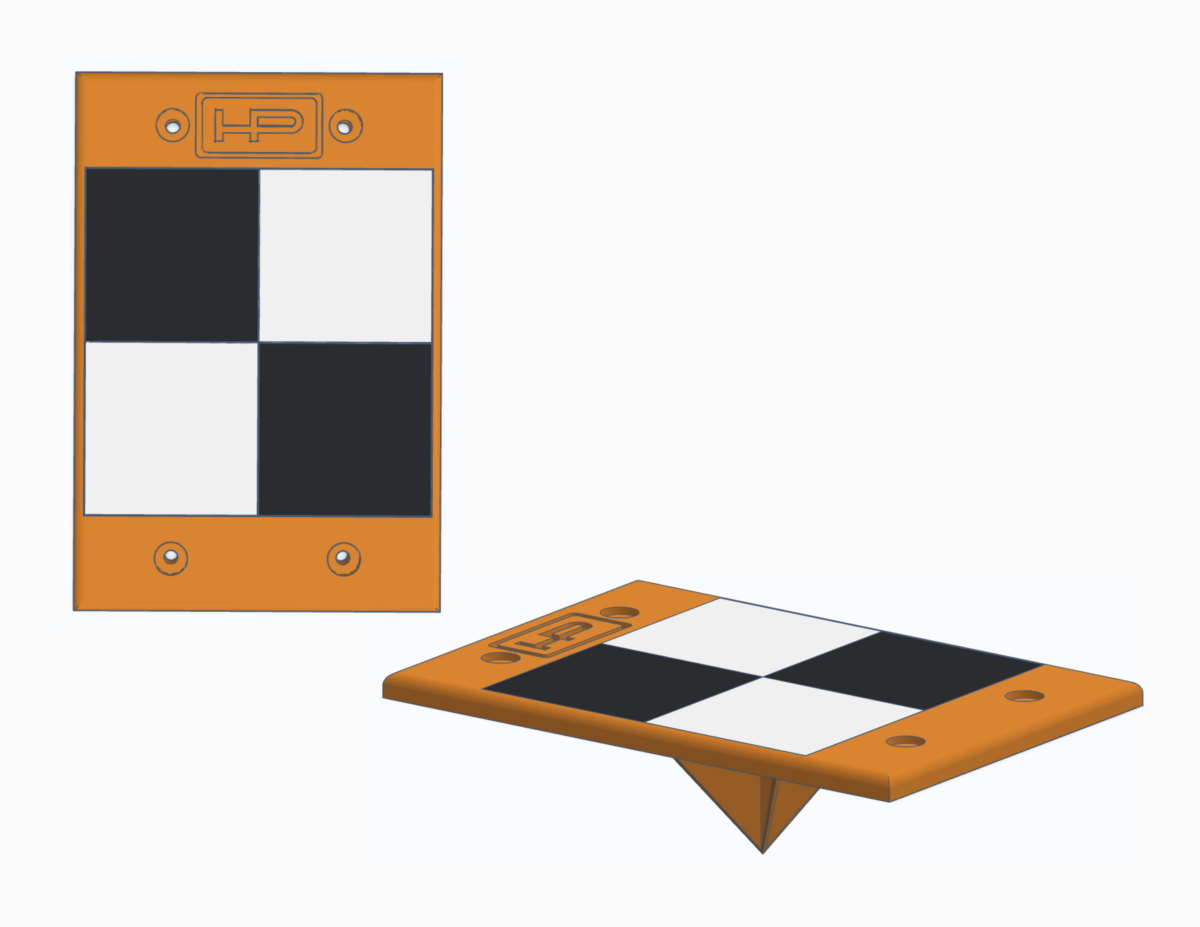
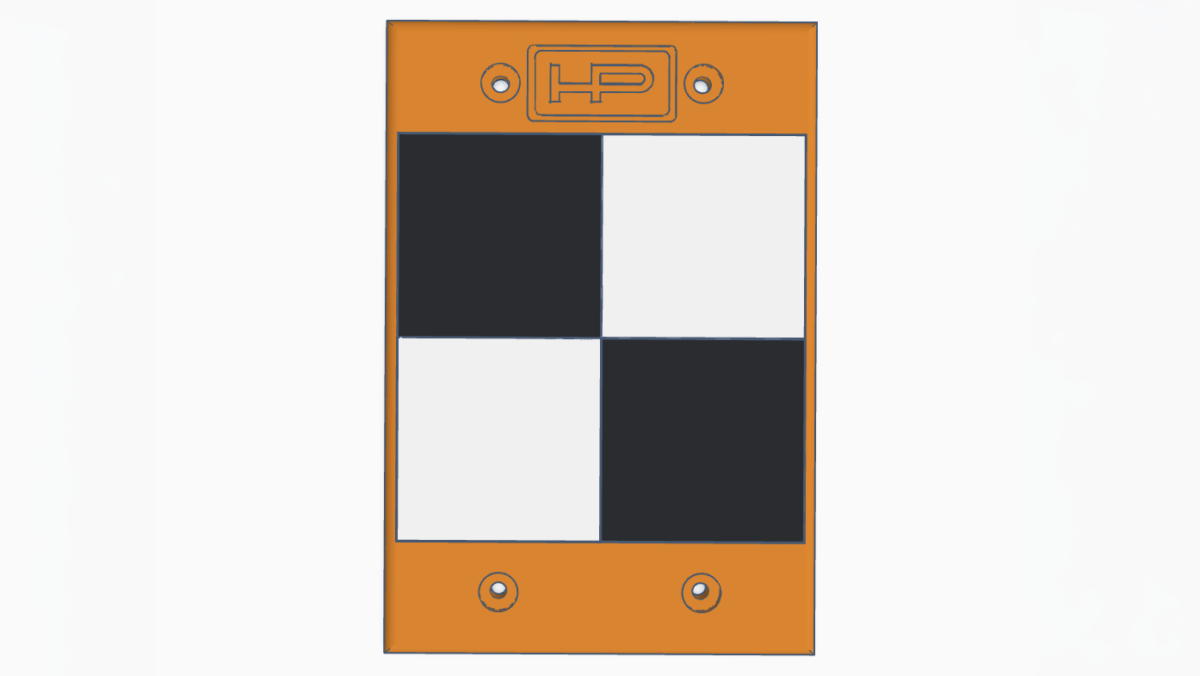
To address these challenges, the virtual design and construction (VDC) team designed, tested and manufactured custom 3D-printed scanning targets in-house. Through approximately 10 iterative design cycles, the team developed a modular solution consisting of a reusable frame, removable spike and target plate with a vinyl marker. The removable spike securely penetrates the fireproofing layer without scraping material away, allowing crews to install and remove targets quickly while minimizing dust generation and eliminating the need for fireproofing repairs. The final design also maintains the precise positional accuracy required to support repeatable survey control and laser scan alignment.
Result
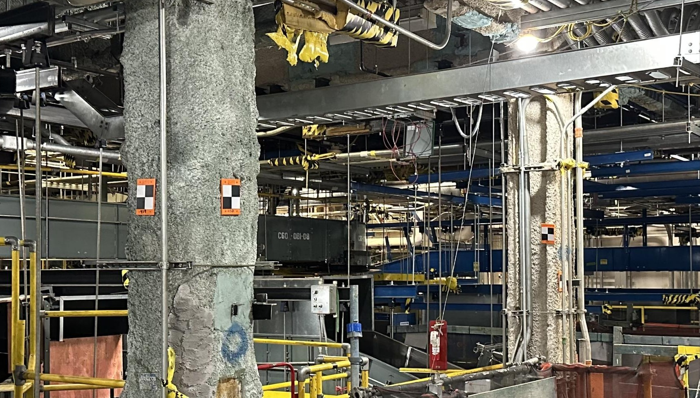
The solution delivered significant cost savings compared to commercially available alternatives. Each target costs approximately $1.25 to produce, while comparable off-the-shelf systems can cost hundreds of dollars per installation location. The low production cost enabled the team to deploy hundreds of targets throughout the bagwell, creating continuous line-of-sight control points in an environment densely populated with conveyors, utilities and structural elements. This extensive coverage improved scan registration, enhanced QA/QC and coordination efforts while supporting more accurate model alignment throughout construction.
Beyond the immediate project benefits, the team designed the system for flexibility, scalability and reuse. Project team members can install the targets directly into fireproofing using the removable spike or mount them to walls, framing, equipment and other surfaces using screws, nails or magnets. The design files can be shared digitally, so that any project with access to a 3D printer can quickly manufacture and deploy the solution without specialized equipment or procurement lead times. The result is a cost-effective, repeatable scanning solution that improves coordination, reduces rework, accelerates deployment and enhances quality control across a wide range of project conditions.
This innovation demonstrates how rapid prototyping and in-house fabrication can solve complex field challenges while delivering measurable improvements in cost, efficiency, constructability and project controls. By turning a project-specific challenge into a scalable, low-cost solution, the VDC team demonstrated how innovation can improve quality, reduce costs and deliver lasting value across Hensel Phelps’ operations.
Related Projects
-
-
-

Aviation project
Nashville International Airport (BNA) – Concourse D Extension and Concourse A Reconstruction Learn More -
-

-