

For construction teams working outdoors, extreme heat can create added safety challenges, particularly in regions where triple-digit temperatures are common. Diverge, a Hensel Phelps company, is collaborating with Eztia to evaluate their HydraVolt™ material, a wearable cooling technology designed to help manage heat exposure during physical work. The pilot explores how the material performs in real-world construction conditions and whether it could serve as an additional layer of support alongside established heat-illness prevention practices.
Key Takeaways from the Article
Wearable Cooling Technology
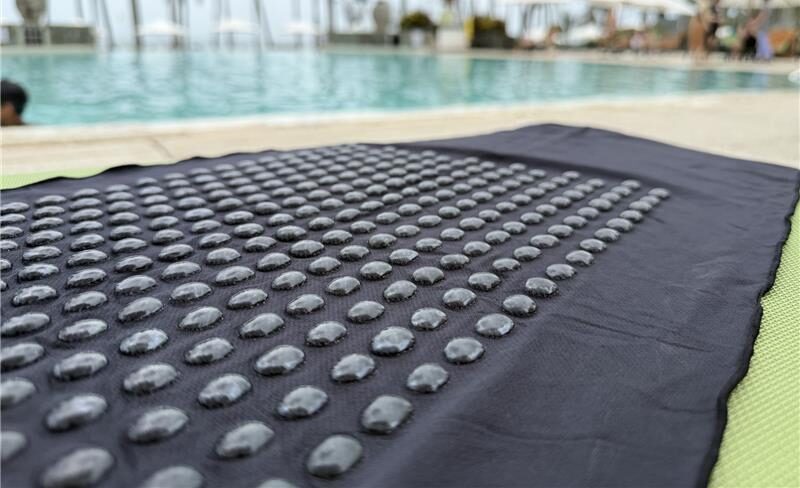
Eztia’s HydraVolt™ technology incorporates a proprietary cooling gel directly into performance fabric. The material responds as body temperature rises by drawing heat away from the skin and dissipating it through evaporation. HydraVolt™ can reduce skin surface temperature by up to 10 degrees Celsius and provide up to eight hours of cooling during strenuous activity. The technology does not require batteries or electricity and can be recharged with water.
Real-World Evaluation
Kyle Tomak, Diverge senior innovation manager, initially tested the material while working outdoors during a 114-degree weekend in Phoenix, Arizona. Following the initial test, the solution was distributed to Hensel Phelps safety directors nationwide for additional project team testing and feedback.
Supporting Existing Safety Practices
Hensel Phelps upholds an unwavering commitment to safety. While wearable cooling technology does not replace established heat-illness prevention measures, Diverge is evaluating whether solutions like HydraVolt™ could provide another practical tool for employees working in high-temperature environments.
Why It Matters
The pilot demonstrates how Diverge can evaluate emerging technologies directly with the people who may ultimately use them. By testing HydraVolt™ under real-world conditions, Hensel Phelps can better understand the technology’s durability, usability and potential applications while keeping innovation connected to practical jobsite needs. As project teams continue working in regions where extreme heat is a regular part of the construction environment, these evaluations can help identify additional approaches to support safer, more efficient and effective work.


